

Student involvement can bring energy, ideas, and strong community ties to a youth nonprofit. Donors still need to know that the work follows clear rules. Good 501(c)(3)-compliant student involvement keeps the public mission first, protects young people, and uses donations for their intended purpose.

What 501(c)(3) status means
A 501(c)(3) charity must be organized and run for approved public purposes. These can include education and charitable support. Its money and property should serve the mission, not unfairly enrich an individual or business.
The charity also cannot support or oppose a candidate for public office. The IRS explains the basic rules for 501(c)(3) organizations. These rules apply to the organization’s work, including projects led or supported by students.
How students can support a charitable mission
Students can help in many useful ways. They may volunteer at events, support service projects, share skills, or express interest in mentoring. The exact role should match the nonprofit’s mission and current program capacity.
- Roles have a clear purpose.
- Students receive training and support.
- Youth contact begins only after required onboarding.
- An adult or program leader provides supervision.
- Activities are nonpartisan and mission-focused.
- The nonprofit tracks how gifts support the work.
Students may gain leadership, teamwork, and communication skills. That is a healthy benefit. The main purpose, however, should remain the public good created by the charitable program.
Five signs donors can look for
1. The role connects to the mission
The nonprofit should be able to explain how a student role supports its charitable purpose. A role should be more than a title or a photo opportunity.
2. Safety steps come before youth contact
Mentoring and youth programs need clear boundaries. Donors can ask about screening, training, supervision, privacy, and how concerns are reported.
3. The work is nonpartisan
A student may have personal views. A 501(c)(3) program cannot use its work to support or oppose a political candidate. The IRS describes the political campaign rule and how nonpartisan education can be different.
4. Money follows the stated purpose
Donors should know what a gift is meant to support. Strong programs use clear budgets, honest descriptions, and useful updates. They do not promise a result that has not happened.
5. Partnerships have clear roles
A school, student group, business, or university may help with a project. The nonprofit should still be clear about who is responsible for safety, spending, communication, and follow-up.

Donation records and benefits matter too
Tax rules can change based on the gift and what the donor receives. The IRS says a donor needs a written acknowledgment for a contribution of $250 or more to claim a deduction. If a donor pays more than $75 and receives goods or services in return, the charity may need to provide a written disclosure.
The IRS donation record guide explains these rules. Donors should keep their own records and ask a tax adviser about their situation.
Questions to ask before giving
- How does student involvement support the mission?
- What training and supervision are required?
- How are young people’s privacy and safety protected?
- What will my gift pay for?
- How will the nonprofit report progress or changes?
- Will I receive anything of value in return for my gift?
How Cougs 4 Kids approaches student involvement
Cougs 4 Kids is a program of Believe in Me. It invites WSU students, alumni, and Cougar-connected volunteers to express interest in mentoring Washington students. Mentors serve as volunteers and complete required onboarding before youth contact. Placement depends on fit, timing, screening, training, and current program needs.
This structure helps keep the role clear. It also gives donors a better way to understand how volunteers, partners, and charitable support fit together.
Frequently asked questions
Can a college student volunteer for a 501(c)(3) nonprofit?
Yes. A student can volunteer when the role supports the charity’s mission and follows its rules. Youth-facing roles may require screening, training, supervision, and other onboarding steps.
Can student volunteers talk about politics?
Students have personal rights, but a 501(c)(3) program cannot support or oppose a political candidate. Program activities and messages should stay nonpartisan.
Is every gift to a 501(c)(3) fully tax-deductible?
Not always. The deductible amount may change if the donor receives goods or services. Donors should keep records and ask a tax professional about their own gift.
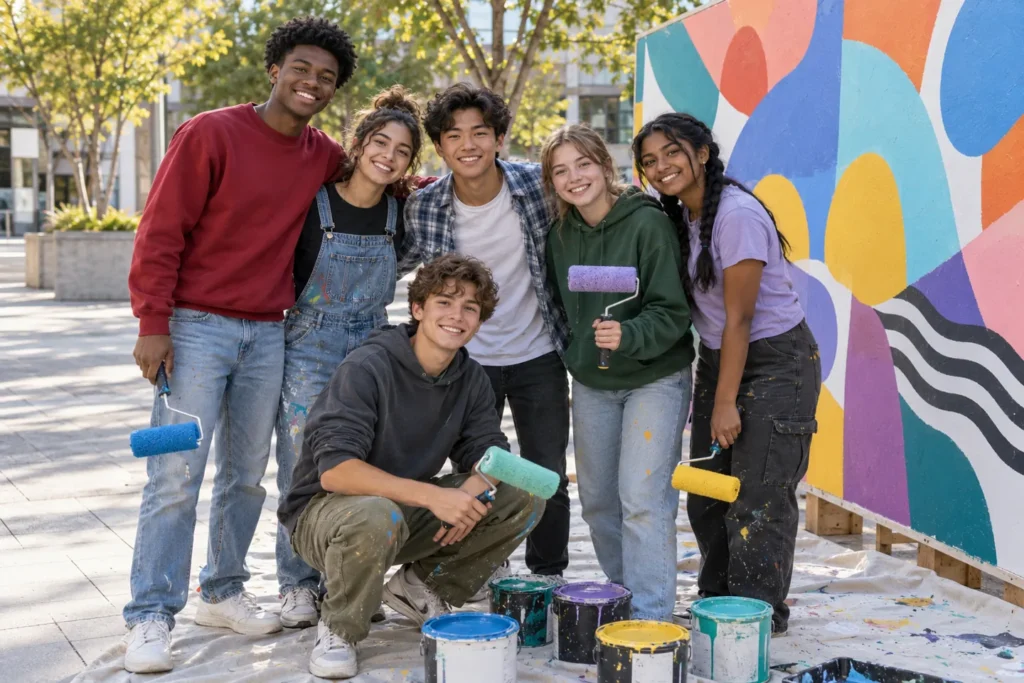
This article provides general education, not legal or tax advice. The images are AI-generated illustrations and do not show actual Cougs 4 Kids participants, donors, or events.
