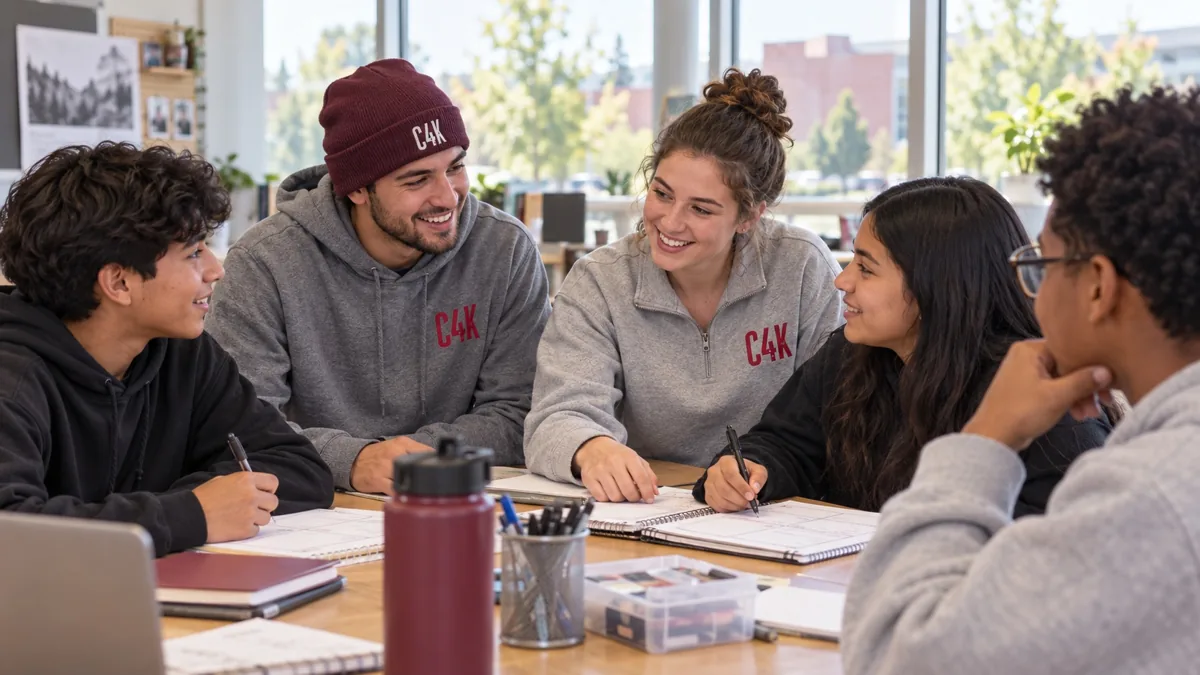
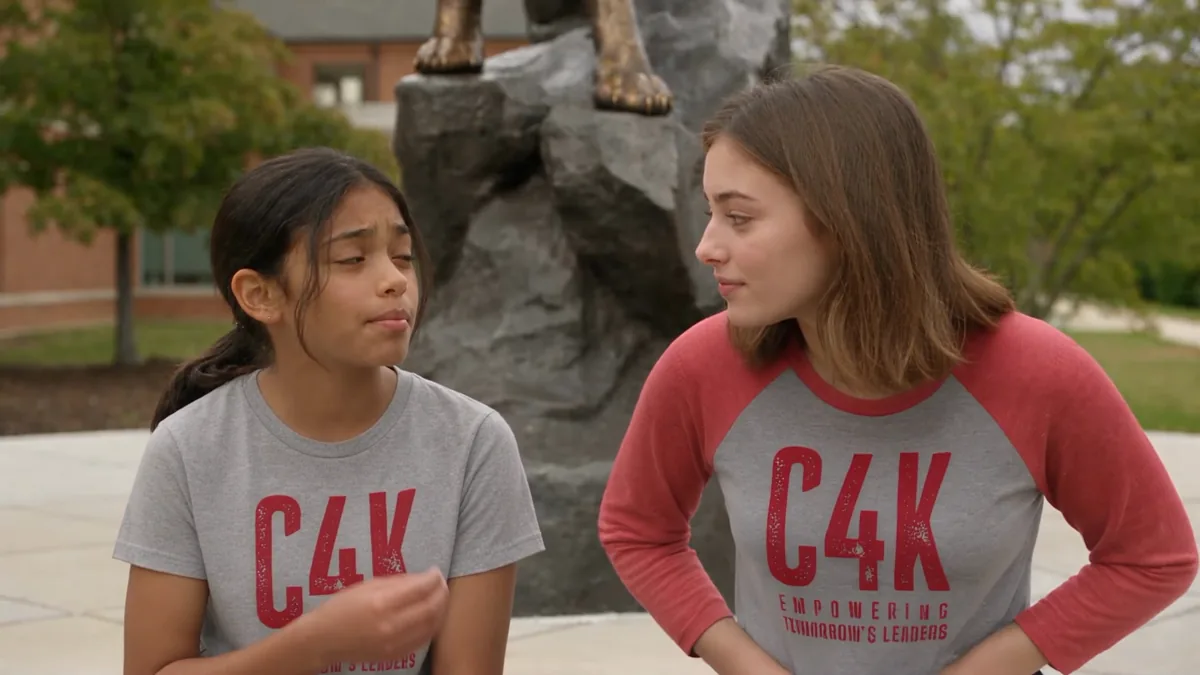
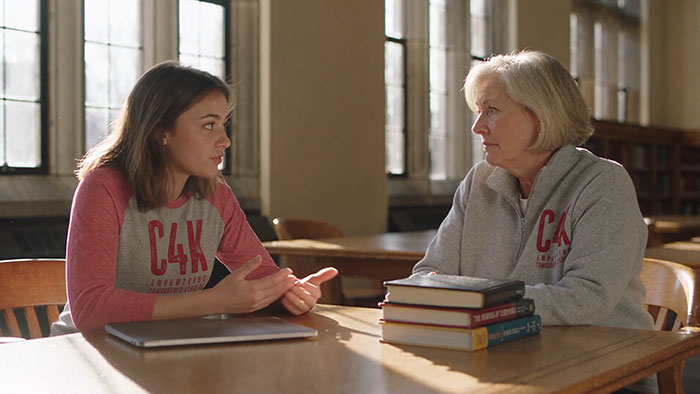
Youth mentoring starts with a simple choice: show up, listen, and help a young person see a next step. Through Cougs 4 Kids, Washington State University students, alumni, and community supporters can explore ways to encourage Washington teens ages 13–18.
Think about someone who had your back. Perhaps they noticed your effort, asked a good question, or helped you try something new. You can bring that same care to someone else through Be That Coug.
Cougs 4 Kids is a program of Believe in Me. Start with the Be That Coug mentor inquiry to learn more. An inquiry lets you explore the opportunity before making a commitment.
What youth mentoring can look like
You do not need a perfect speech or an impressive job title to encourage a teen. A useful conversation might begin with school, a hobby, a community project, or a question about the future.
For example, you could help a young person break a goal into smaller steps. You might share how you chose a course, learned a skill, or asked for help. However, the teen should help shape the conversation. Their interests matter more than your favorite advice.
Visit Cougs 4 Kids programs to explore the wider mix of mentorship, leadership, and shared experiences. Opportunities and requirements vary, so ask about the role that fits your availability.
Youth mentoring starts with listening
Start with a question that leaves room for an honest answer. Try asking what felt good this week, what was difficult, or what the young person wants to learn. First, give them time to think.
Then notice a specific strength. Instead of saying “great job,” name the action you saw: “You kept trying when the plan changed.” As a result, this makes encouragement concrete and gives the teen something they can repeat.
Search Institute’s developmental relationships framework highlights care, growth, support, shared power, and new possibilities. Use that framework as a learning resource. In practice, it means listening, offering help, and allowing young people to make meaningful choices.
Choose a way to contribute
Your next step depends on your interests and the current program need. WSU students can explore student mentoring. Alumni and community members can review the volunteer openings and ask which opportunities fit.
Perhaps you enjoy career conversations. You could discuss guest speaking. If you prefer practical tasks, explore event support, communications, or volunteer skills. Businesses can ask about sponsorship opportunities.
You can also learn about MentorBoost Kits. Materials can help open a conversation, but the relationship still depends on attention and follow-through. Ask what support is needed before buying supplies or organizing a collection.
Set clear expectations for youth mentoring
Youth mentoring needs preparation as well as enthusiasm. Before accepting a role, ask about screening, training, approved communication channels, scheduling, and the person to contact when you need help.
Confirm what the role involves and how much time it requires. Also ask how cancellations work and how concerns should be reported. Follow the program’s current requirements rather than arranging activities on your own.
Once you begin, keep promises realistic. If your schedule changes, communicate through the approved channel. Reliability includes being honest about what you can do.
Try a small goal-setting conversation
This example is a conversation idea, not a required Cougs 4 Kids lesson. Adapt it only within your assigned role and program guidance.
Ask about an interest. What would the teen like to try, improve, or understand?
Choose one small action. Help them identify a step they can control this week.
Discuss support. Ask what resource, information, or encouragement would help.
Agree on a check-in. Review the effort later without turning it into a test.
For instance, a teen interested in engineering might want to explore a school club. Help them list questions to ask the advisor. Then let them choose the question and take the lead.
If the first step does not work, discuss what they learned. A changed plan can still show growth.
Make belonging part of the conversation
Washington teens bring different cultures, identities, interests, and experiences. Avoid assuming that your own school or career path is the right path for everyone.
Ask how the young person wants to participate. For example, offer choices when appropriate, and respect their name and identity. You can learn about the program’s focus on the Who We Serve page.
Also check practical barriers. A missed activity might reflect a scheduling conflict or an access problem. Ask what would make participation easier and bring questions to the program contact. Listen without asking the teen to disclose private details.
The goal is to support their voice and confidence. Give them room to define what progress means.
Prepare for your first youth mentoring conversation
Before your first activity, review the role guidance and write down two open questions. Also think about a brief story you could share if the teen asks. Choose an ordinary experience, such as learning from a mistake or trying a new class.
Keep the focus on the young person. If they seem unsure, offer a choice between talking and an approved activity. Avoid filling every quiet moment with advice. A pause can give someone time to find their words.
Afterward, reflect on your own actions. Did you listen without interrupting? Did you ask before offering a suggestion? Was there room for the teen to choose? These questions help you improve without judging the young person.
For your next conversation, return to something they mentioned. In addition, remembering an interest shows attention. For example, ask how their club visit went, rather than opening with a new list of tasks.
Finally, keep any required notes within the program’s approved process. Record only what your role calls for, and ask the program contact when you are unsure. This helps you stay focused on useful support while respecting the young person’s privacy.
Yes. Explore volunteering or ask about guest speaking and sponsorship through Be That Coug.
Be the Coug who takes the next step
Youth mentoring does not begin with having every answer. It begins with curiosity, preparation, and the willingness to follow through.
Finally, visit Be That Coug and tell us what brings you here. Share your interests, ask your questions, and explore a way to be in a young person’s corner.
About the Author
Julie Wukelic
Julie Wukelic is the CEO of Believe in Me, a Spokane-based nonprofit committed to empowering marginalized youth across the Inland Northwest. She holds bachelor’s and master’s degrees from WSU’s Carson College of Business. She remains involved with WSU through initiatives like Cougs 4 Kids and serves as a judge in the high school division of WSU's Business Plan Competition, with Believe in Me sponsoring the event. She believes volunteering with WSU "reenergizes your soul and gives you purpose." Her story is a testament to the impact WSU alumni can have when they support and inspire one another.