

Game day giving turns a shared interest in the Cougs into a clear invitation to support youth mentorship. Choose one action, explain where it leads, and make participation easy. A gathering can introduce people to Cougs 4 Kids without requiring a large fundraising event.
Whether you watch with friends, reconnect with alumni, or invite coworkers, the useful question is what your group can do after the conversation. Cougs 4 Kids, part of Believe in Me, supports teens ages 13–18 through mentoring and leadership. The ideas below are examples for supporters to consider with the organization, not announcements of official WSU events or existing campaigns.

Choose one game day giving goal
First, decide what you want guests to understand or do. You might introduce the mentoring mission, invite prospective volunteers to learn more, or direct interested supporters to a giving page. One clear goal makes the invitation easier to explain.
Also, choose a goal that fits the gathering. A small group of friends may welcome a brief conversation and a link. A workplace gathering may need advance approval for any fundraising activity. Check the venue or organizer’s requirements before making plans.
Then contact Cougs 4 Kids if you want to organize something using its name or materials. The team can clarify current priorities and appropriate ways to participate. A simple goal, confirmed information, and a modest plan give your enthusiasm a useful direction without creating obligations the organization has not accepted.
Write the goal in one sentence before sharing the invitation. If you cannot explain the proposed action clearly, simplify the plan. Guests should understand both the purpose and the next step without needing a long presentation.
Explain the mission in everyday language
Next, prepare a short description you can say naturally. Explain that Cougs 4 Kids connects Coug spirit with mentoring and leadership opportunities for teens. Then point guests toward the program overview for current details.
Avoid filling the introduction with statistics you cannot verify or stories you do not have permission to share. You can describe why mentoring matters to you without speaking for a participant. For instance, you might say that having someone listen helped you navigate a new situation.
Also, make the program’s identity clear. It is part of Believe in Me; a supporter’s gathering should not imply university sponsorship or endorsement. If a guest asks something you cannot answer, offer the official link or suggest contacting the team. Accuracy builds trust.
Make game day giving easy to explore
At the gathering, make the next step easy to find. Share an official link in the invitation or provide it when someone asks. Then explain that guests can learn more at their own pace. Nobody should have to explain why they are not giving.
For example, you could briefly mention youth mentorship during a natural break, then return to the gathering. An interested friend might choose to explore student mentoring. Someone else might prefer learning about sponsorship opportunities.
Also, offer a participation route that does not require spending money. Reading about the program, sharing an accurate link, or expressing interest in a suitable role can all open a conversation. Keep the invitation welcoming to people with different resources, schedules, and connections to WSU.

Keep the game day giving route clear
If you invite donations, direct people to the organization’s official giving route rather than collecting funds informally without an agreed process. First, confirm the current destination with Cougs 4 Kids. Then use a descriptive link so guests know where they are going.
Ask the team before advertising that a gift will pay for a specific item or produce a specific outcome. A memorable claim can still be misleading if it does not reflect the organization’s actual funding approach. Similarly, do not announce a matching opportunity until its terms are confirmed.
For possible employer matches, share the matching-gift information page and encourage donors to check their employer’s current rules. This lets people investigate eligibility without assuming every workplace offers a match or every gift qualifies.
Support relationships beyond the celebration
A game-day conversation can draw attention, but mentoring depends on ongoing participation and support. Therefore, explain why the invitation extends beyond a single afternoon. Interested volunteers should explore the preparation and commitment involved before joining a relationship.
MENTOR’s Elements of Effective Practice includes mentor preparation, relationship support, and program sustainability. Those topics help explain why responsible mentoring needs more than a good introduction. Use the framework as background guidance, not a claim about a specific funding allocation.
Also, ask Cougs 4 Kids about its current needs before offering supplies or volunteer help. A useful contribution responds to an actual priority. The goal is to connect supporters with the organization’s work, while leaving staff and young people room to shape that work responsibly.
Make your gathering accessible and respectful
Before inviting guests, consider practical barriers. Can people attend without buying a ticket or bringing a donation? Is the space accessible? Can someone receive the program information even if they cannot join the gathering? Small adjustments can widen participation.
Also, avoid putting teens on display to make the invitation more emotional. Do not request personal stories, photos, or appearances without an appropriate process. A supporter gathering can communicate the mission using public materials and your own reasons for caring.
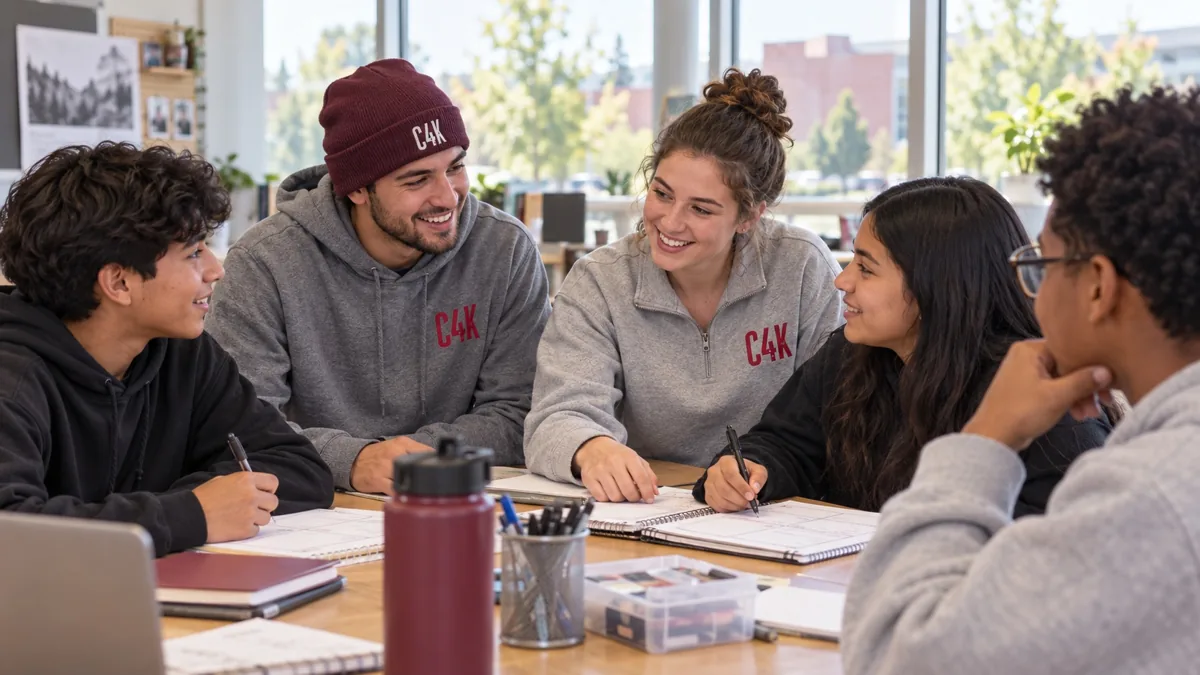
If someone shares a photo from the gathering, get consent from the people pictured and follow the organizer’s guidance. Then describe the activity accurately. A group watching a game and learning about mentoring is meaningful on its own. It does not need to be presented as an official program event.
Follow up on game day giving with one useful message
Afterward, send guests the promised public links through your own usual communication channels. Keep the message brief and relevant to the interest they expressed. For example, a potential mentor needs role information; a business contact may want to discuss sponsorship.
Next, thank people for their attention without assuming they donated or committed. If you agreed to ask the team a question, do that before offering an answer. Also, keep track of your gathering’s own results without collecting unnecessary personal information.
Finally, visit Cougs 4 Kids contact information to discuss a suitable next step. Game day giving can begin with a small, welcoming invitation. Its value grows when enthusiasm becomes an accurate introduction, a practical contribution, or a commitment someone is prepared to keep.
Frequently asked questions
Can I introduce Cougs 4 Kids at a watch party?
Yes, you can share public program information and official links. However, contact the team before presenting a gathering as an organization-led event or using its materials in a campaign. Begin with Cougs 4 Kids.
Do guests need to donate to take part?
No. Keep participation voluntary and provide a way to learn about mentoring without spending money. For instance, share student mentoring information so interested people can explore whether the role fits their availability and strengths.
Can I promise a donation will fund a particular activity?
Only use a specific funding claim after the organization confirms it. Otherwise, describe the broader mission and use official giving information. Similarly, confirm any proposed match or challenge before advertising terms, deadlines, or expected results to guests.
How can a business participate after game day?
A business can review sponsorship opportunities and ask the team about current needs. Employees may also check employer matching rules through matching-gift information. Participation should reflect confirmed opportunities, not assumptions about eligibility or availability.
