

Perseverance in youth mentoring starts with listening, then helping a teen choose a manageable next step. WSU students can share honest experiences without turning a conversation into a lecture. A short story about asking for help often creates more room for connection than a speech about never giving up.
As a new school year approaches, teens may face unfamiliar classes, changing friendships, or goals that suddenly feel harder. Meanwhile, college students also know what it feels like to start over. Cougs 4 Kids, part of Believe in Me, connects that Coug spirit with support for teens ages 13–18. Use this guide to make encouragement specific, respectful, and useful.

Begin perseverance in youth mentoring with a question
First, ask what the young person wants from the conversation. “Would you like me to listen, help you brainstorm, or share something that happened to me?” gives them a real choice. Then follow that choice rather than steering back to your prepared advice.
For example, a teen who missed a team tryout might want space to feel disappointed before discussing another opportunity. Instead of comparing their experience with your toughest semester, ask what mattered about the tryout. Listen for the goal underneath the disappointment: friendship, belonging, confidence, or learning a skill.
Also, leave room for silence. A pause can mean the teen is thinking. You do not need to fill it with motivation. Finally, reflect what you heard in plain words and check whether you understood.
Share the unfinished middle of your story
Next, choose an everyday setback that fits the conversation. You might describe a class presentation that went poorly or a project you had to revise. Keep private information about other people out of the story. Also, avoid details that make the teen responsible for comforting you.
Tell the middle, not just the successful ending. Explain what confused you, who helped, and what you changed. For instance, “I kept practicing the wrong thing until I asked someone to watch me” offers a useful decision point.
Then return the conversation to the teen. Ask which part, if any, connects with their experience. They may see a difference that you missed. That response is useful information, not a rejection. Your story should open a door rather than become the main event.
Separate effort from barriers
However, effort alone cannot solve every problem. A teen may need transportation, access to equipment, a quieter study space, or help understanding instructions. Ask what makes the next step difficult before recommending more practice.
Together, sort the situation into three parts: something the teen can try, something a supportive person can help with, and something beyond their control. This simple conversation keeps responsibility realistic. For example, the teen might draft an email while a trusted adult helps identify the right person to contact.
Search Institute’s Developmental Relationships Framework includes listening, providing support, and sharing decisions with young people. Those principles support an approach that combines encouragement with practical help. Use them as a guide, while following the mentoring program’s own boundaries and support process.
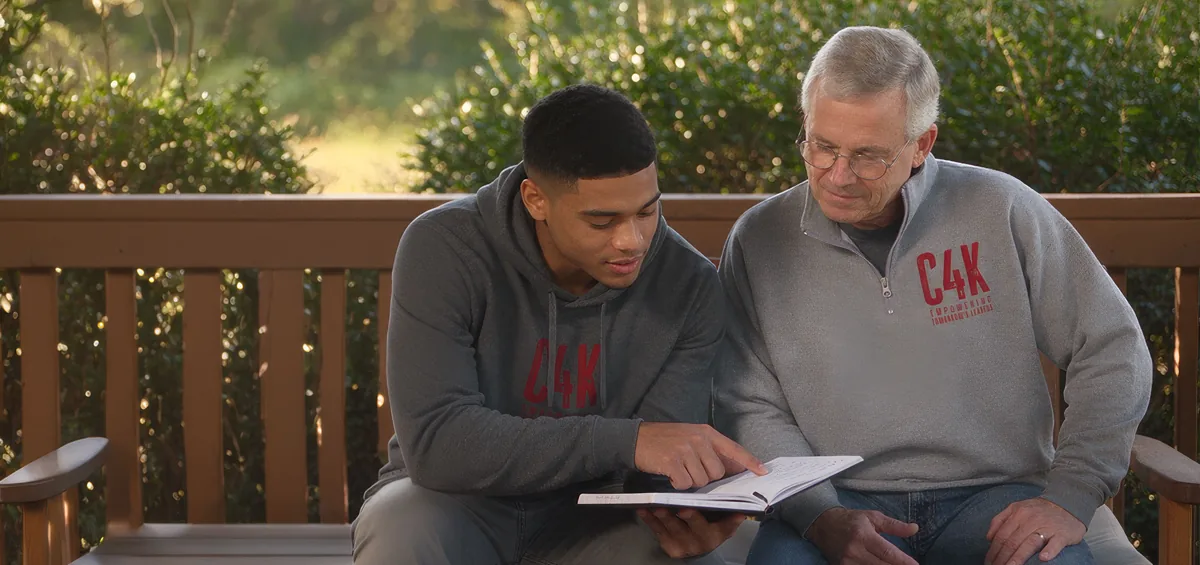
Support perseverance in youth mentoring with a small experiment
After listening, invite the teen to design an experiment they can actually try. “Practice more” is vague. “Try one practice question and note where the instructions become confusing” gives you something concrete to discuss later.
Keep the first step small enough to fit their week. Also, let the teen decide what would count as useful progress. It might mean asking one question, showing up again, or discovering that a different goal fits better. A changed plan can be thoughtful rather than a failure.
Write down the agreed action only if the teen wants a reminder. Then ask when they would like to revisit it. Avoid promising an outcome you cannot control. You can offer attention, encouragement, and follow-through; you cannot guarantee a grade, friendship, selection, or award.
For a first attempt, consider asking the teen to choose between two ideas they suggested. That keeps the options manageable while preserving ownership. Later, revisit the choice together and adjust it based on what they learned.
Respond when trying again feels exhausting
Sometimes the most helpful response is to slow down. If a teen says they are tired of trying, acknowledge the frustration before offering another strategy. “That sounds draining” makes more room than “You just need to stay positive.”
Next, explore what a pause could look like. A short break, a smaller task, or help from another trusted person may be appropriate. Let the young person explain their priorities. Mentoring does not require turning every setback into an immediate lesson.
If a concern falls outside your role, contact the program’s designated support person and follow its guidance. Also, explain your role honestly instead of offering secrecy or expertise you do not have. MENTOR’s practice framework emphasizes preparation and support for mentoring relationships. You should have support too.
Practice perseverance in youth mentoring through follow-up
At the next conversation, begin with curiosity. Ask what happened after the step you discussed. Then notice the choices the teen made: seeking clarification, changing an approach, or asking someone to join them.
For example, imagine a teen sends an email but receives no reply. The action still required initiative. Together, consider whether a follow-up, another contact, or a different route makes sense. Avoid treating silence from someone else as evidence that the teen did something wrong.
Also, ask what your support felt like. Did your story help? Did you interrupt? Would a different question have worked better? This feedback helps you become a more responsive mentor. Over time, a dependable pattern of listening and reflection matters more than having an inspiring story ready for every occasion.

Explore perseverance in youth mentoring with Cougs 4 Kids
Before volunteering, review student mentoring opportunities and ask about current expectations, preparation, and support. Be honest about your schedule and the situations where you may need guidance. An interest conversation is a useful place to explore fit.
You can also read how Cougs 4 Kids works to understand the program’s purpose. The examples in this article are conversation ideas, not descriptions of a particular participant or promised result.
Finally, choose one skill to practice: asking permission before advice, telling a shorter story, or following up on a teen’s chosen action. Perseverance conversations become useful when a young person leaves with their own voice intact and a next step they helped choose.
Frequently asked questions
How do I encourage perseverance without giving a lecture?
Start by asking whether the teen wants listening, ideas, or a story. Then keep advice brief and invite their response. The Search Institute framework offers helpful principles for listening and sharing decisions.
Should I tell a teen about my own mistakes?
Yes, when the story is appropriate, relevant, and short. Explain how you sought help or changed course. However, keep other people’s private details out of it. Ask the program support contact for guidance if you are unsure what to share.
What if a teen wants to change their goal?
Explore why. A revised goal can reflect new information, interests, or limits. Help them consider options without taking over the decision. For mentoring expectations and support, begin with Cougs 4 Kids student mentoring.
Do WSU students need a perfect success story to mentor?
No. Curiosity, appropriate preparation, and dependable follow-through matter. You can discuss ordinary experiences while keeping the focus on the teen. Review the program overview and ask staff about the current process before committing.
