

Hispanic Heritage Month projects can help teens connect cultural learning with a useful community contribution. Begin with young people’s interests, consult reliable resources, and invite appropriate community input. Then let teens choose a manageable project and the roles they want to practice.
National Hispanic Heritage Month runs from September 15 through October 15. The official heritage-month resource site offers material from national cultural institutions. For Cougs 4 Kids, part of Believe in Me, the opportunity is to connect learning with youth voice and leadership for teens ages 13–18. These project ideas are examples to adapt with program guidance, not announcements of existing activities.
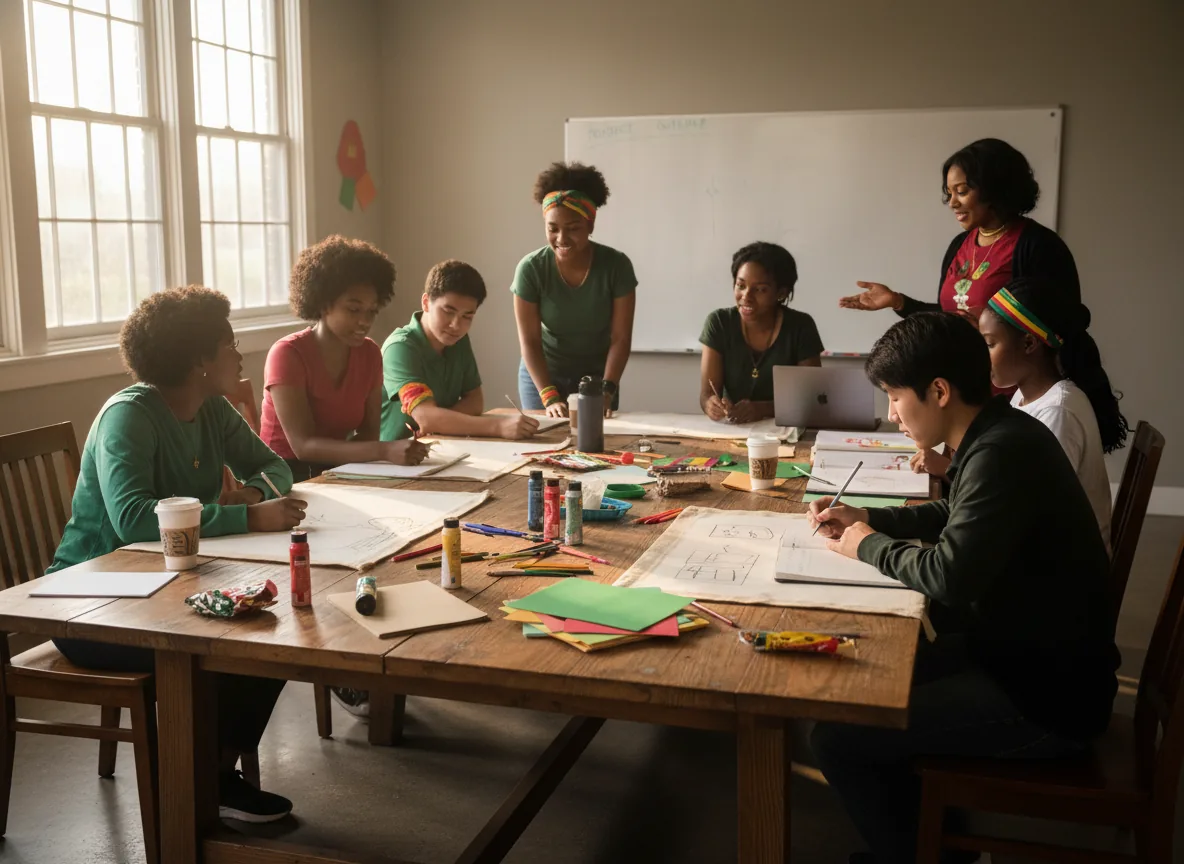
Start Hispanic Heritage Month projects with youth choice
First, ask what the young people want to explore. They might be interested in an artist, a local community contribution, a historical event, or a question about representation. Then ask who could benefit from what they learn.
Avoid assigning a project solely because it looks easy to photograph or display. A teen may prefer creating a reading guide, improving a resource list, or preparing questions for a community conversation. Those choices can be meaningful even without a large event.
Also, make participation voluntary. Nobody should be expected to speak for a whole community or explain their identity to others. Invite interests without requiring personal disclosure. Young people can choose whether to connect the project with their own experiences, use public resources, or contribute through another role.
Choose a focused question and reliable sources
Next, narrow the topic. Instead of trying to represent every culture in one display, choose a clear question. For example, teens might explore how one artist uses visual storytelling or how a particular community organization contributes locally.
Use the national heritage-month resources as a starting point, then check each source’s author, context, and date. Also, distinguish a source’s historical information from your own interpretation. A short source list helps others understand where the project’s information came from.
Before sharing, ask what might be missing. Does the project treat varied communities as though they all have the same experiences? Is a label accurate for the people or subject discussed? These questions encourage care and curiosity. When uncertain, consult a knowledgeable partner through the program’s approved process.
Try a youth-curated reading or resource guide
One option is a small guide that helps peers discover books, museum resources, or community organizations. First, let teens choose the audience. A guide for younger students may need different language and formats than one for families or volunteers.
Next, ask participants to explain each selection briefly. What can a reader learn? Why did the group include it? Also, verify whether resources are free, accessible, and appropriate for the audience. Avoid promising that a library item or community service is currently available without checking.
Then ask a librarian or suitable partner whether the guide would be useful and how it could be shared. Follow program guidance when arranging contact. The project’s leadership work includes selecting, checking, explaining, and revising information, not simply decorating a list of links.
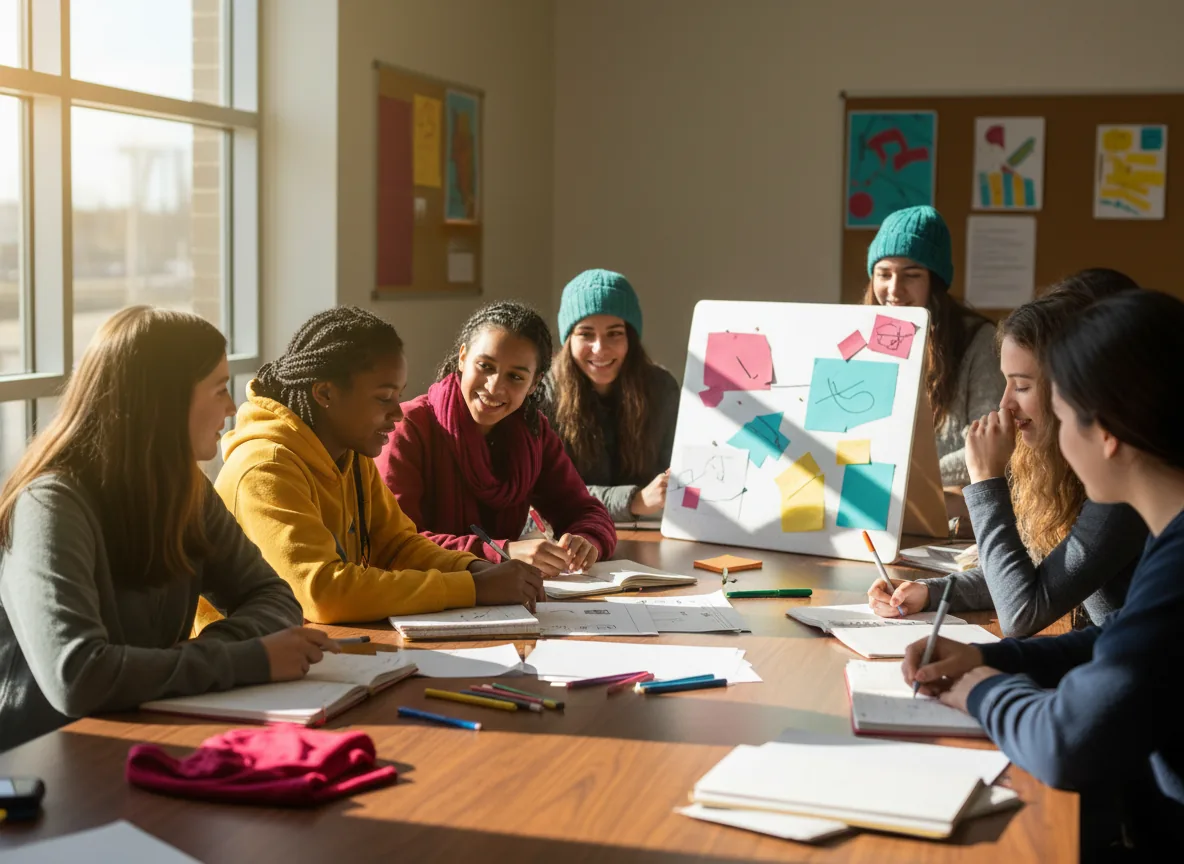
Consider a consent-based community story project
Another option is a small project centered on public community contributions. Teens could research an organization or prepare questions for a willing community member. However, start by asking whether the partner wants to participate and what format is appropriate.
Before any interview, agree on the purpose, questions, recording permissions, and how the material may be shared. Also, make it clear that a participant can decline a question. Do not ask for private family, legal, or immigration information to make a story more compelling.
Then offer the contributor a chance to review how their words will appear, following the project’s agreed process. Youth can practice preparing questions, listening, and checking accuracy. A thoughtful conversation can be worthwhile even if it stays within the group rather than becoming a public post.
Connect Hispanic Heritage Month projects with a community need
A service project should respond to what a partner says would help. Therefore, ask about current needs before proposing a collection, display, or event. A well-intended idea can still create extra work if it does not match the organization’s priorities.
For example, a partner might welcome help making an existing public resource easier to find. Teens could explore options, propose a format, and ask for feedback. This example illustrates a planning process; it does not describe a confirmed Cougs 4 Kids partnership.
Also, set a clear scope. Agree on what the group will do, what the partner will review, and when the project ends. Then give young people meaningful choices within those boundaries. Useful service combines community input with youth leadership, rather than assuming the group already knows what others need.
Build accessibility and reflection into the plan
Before creating the final product, ask how the intended audience will use it. Consider readable text, image descriptions, clear language, and options for people who cannot attend in person. If translation is needed, involve someone appropriately qualified and check the result.
Also, avoid relying on a single cultural symbol to carry the whole message. Explain the project’s specific topic and sources so the audience understands what it covers. A focused project can acknowledge what it leaves for future learning.
Search Institute’s relationship framework includes opportunities for young people to influence decisions and lead. Apply that principle during review. Ask teens what they want to revise and what they learned from feedback. Adults can help check accuracy without replacing the group’s choices.

Reflect on Hispanic Heritage Month projects after October 15
Finally, invite the young people to decide what should happen next. The project might end with a reflection, a revised guide, or a thank-you to a partner. It does not need to become an ongoing commitment unless the group and partner agree.
Ask what participants learned about researching, listening, and making decisions. Also, ask whose perspectives they want to explore further. This keeps the conversation open beyond a single observance.
To understand the program’s broader approach, review how Cougs 4 Kids works. Interested WSU students can explore student mentoring and discuss current expectations. Hispanic Heritage Month projects become stronger when cultural curiosity, respectful collaboration, and meaningful youth choices shape the work from the first question to the final reflection.
Frequently asked questions
When is Hispanic Heritage Month?
National Hispanic Heritage Month runs from September 15 through October 15. Visit the official resource site for cultural and historical material. Use the observance as a starting point for learning that can continue throughout the year.
What is a manageable project teens can lead?
A focused resource guide, partner-approved display, or consent-based community conversation can work. First, ask what teens want to learn and who the project will serve. Then confirm scope and permissions through the program before arranging contact or public sharing.
Should Hispanic teens be asked to explain their culture?
Invite participation without assigning anyone the role of representing a whole community. Young people should choose what, if anything, they want to share. For relationship principles that support youth choice, explore Search Institute’s framework.
How can mentors support a cultural project?
Help teens check sources, ask respectful questions, and plan realistic steps. Also, follow program guidance for partner contact and public materials. Begin with student mentoring information or ask Cougs 4 Kids about an appropriate role.
