

A practical sponsor guide for community businesses
Youth mentorship sponsorship does not need to start with a banquet hall. Local businesses can begin by asking Cougs 4 Kids what would be useful. Often, simple and dependable contributions fit better than a large event.
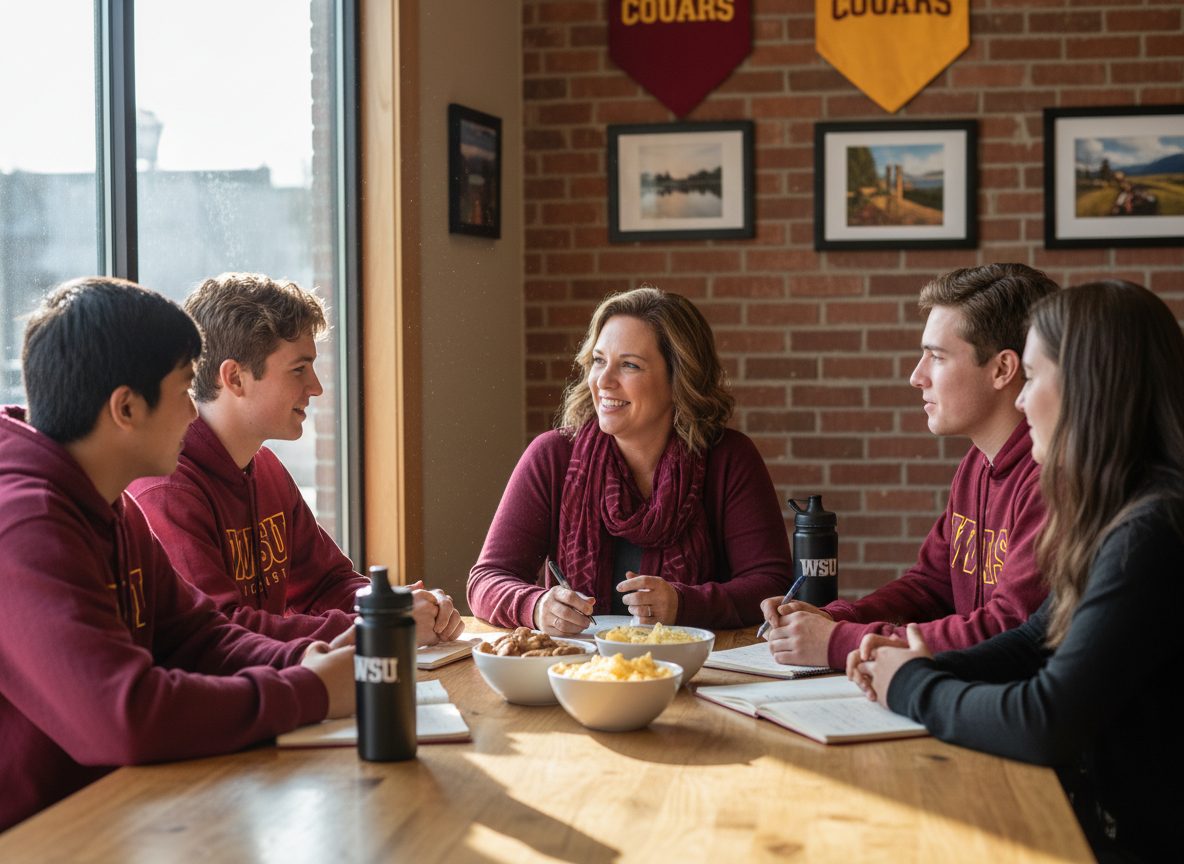
Youth mentorship sponsorship starts with a useful need
Local business sponsorship ideas for youth mentorship programs often get tangled up in event planning. For example, a business owner imagines a gala, a golf tournament, a silent auction, or weeks of logistics. However, youth mentorship does not always need one more large event. It often needs reliable support for the people, supplies, spaces, and relationships that make mentoring feel consistent.
That matters because mentoring is a relationship practice, not a one-day activity. Youth.gov explains that mentoring gives young people caring, consistent relationships with adults or older peers who can offer support, guidance, role modeling, teaching, and opportunities. For Cougs 4 Kids, those relationships grow through WSU student mentors who bring Cougar pride into service with youth ages 13 to 18.
A local business can help without becoming an event producer. Also, it can underwrite MentorBoost Kits, provide snacks for a workshop, sponsor transportation, offer a small meeting space, match employee gifts, or fund mentor training. Because those gifts reduce friction, they help mentors stay focused on showing up for youth.
Start with what mentors actually need
Before choosing a sponsorship idea, ask what mentors and youth need in the next 30 to 90 days. Often, in many programs, the answer is not glamorous. It may be name tags, art supplies, journals, bus passes, water bottles, printing, background checks, training materials, or a meal that makes an after-school gathering feel welcoming. These practical items can shape whether a mentoring session feels prepared or improvised.
The Elements of Effective Practice for Mentoring from MENTOR emphasizes program quality, structure, safe spaces, inclusive practice, and strong program design. As a result, a sponsor should think beyond branded giveaways. The best local sponsorships strengthen the structure that protects the relationship.
Julie Wukelic, CEO of Believe in Me, captured the heart of the work this way: “Cougs 4 Kids is built on the idea that belonging is not a soft outcome; it is a foundation for growth.” A business sponsor can turn that belief into something concrete by helping mentors create dependable, welcoming moments for young people.
Five youth mentorship sponsorship ideas without a big event
First, sponsor a mentor session. For example, a business can cover the cost of supplies, refreshments, and materials for one leadership workshop or youth mentoring activity. This keeps the commitment clear and affordable while giving employees a specific story to understand.
Second, sponsor MentorBoost Kits. These kits can include conversation prompts, journals, pens, simple games, goal cards, and reflection tools that help mentors start meaningful conversations. Because the materials travel with the program, the business supports many small moments instead of one large photo opportunity.
Third, sponsor mentor training. High-quality mentoring takes preparation. Training helps student volunteers understand boundaries, listening, consistency, youth development, and inclusive support. When a business funds training, it invests in safer and more effective relationships.
Fourth, offer space at a quiet time. A coffee shop, bookstore, community room, credit union lobby, or office meeting room can become a warm setting for a mentor orientation, reflection session, or small youth leadership activity. However, space sponsorship works best when it is predictable, accessible, and youth-friendly.
Fifth, create a simple employee match. Employees may want to support youth but may not know where to start. A business can match gifts during a school-year campaign, invite staff to write encouragement notes, or sponsor a volunteer hour bank tied to student mentoring.
Make the partnership easy to say yes to
The strongest local sponsorships are easy to understand. Instead of asking a business to “support mentoring” in a vague way, offer a specific menu: 25 kits, one workshop, three months of snacks, one mentor training, or transportation for a service project. Specific asks help owners plan, budget, and explain the gift to employees and customers.
A clear sponsorship should also protect the youth experience. Recognition can be simple and appropriate: a thank-you post, a logo on an event slide, a short sponsor mention, or a framed note from the program. However, the relationship between mentor and youth should remain the center. Young people should never feel like props in a marketing campaign.
The Search Institute’s Developmental Relationships Framework highlights actions such as expressing care, challenging growth, providing support, sharing power, and expanding possibilities. Local sponsors can strengthen those actions when they fund tools and settings that let mentors listen well, follow through, and connect youth to opportunity.
It also helps to name what the sponsorship will not do. It will not require youth to share private stories. Mentoring time should continue without sales pitches. It will not add extra work for student volunteers. When the expectations are clear, the partnership feels safer for everyone involved.
Why Cougs are a natural bridge
Cougs 4 Kids gives local businesses a clear connection point because WSU student mentors already understand the power of school spirit, service, and community identity. They can model leadership in a way that feels close enough for teens to imagine themselves growing into it. As a result, that near-peer dynamic can make conversations about goals, choices, school, and belonging feel more accessible.
The Cougs 4 Kids student mentoring pathway invites WSU students to inspire youth, lead, and grow through service. Also, businesses that sponsor this pathway are not simply donating to a program line. They are helping college students practice civic leadership while helping younger students experience encouragement from people who are a few steps ahead.
That intergenerational effect is valuable. Youth gain supportive relationships. Student mentors gain leadership experience. Businesses gain a concrete way to invest in the community around them. As a result, a modest sponsorship can multiply across several groups at once.
Measure youth mentorship sponsorship by practical support
A local business may want to know whether the sponsorship worked. Good. However, Ask for measures that fit mentoring: number of mentor sessions supported, student mentors trained, youth reached, kits distributed, service projects completed, and stories of belonging or leadership growth. These indicators show whether the gift strengthened the program’s consistency.
Also ask what the program learned. Did youth respond better to certain activities? Which tools did mentors need? Did transportation or food remove a barrier? How did the sponsor’s space affect volunteers’ sense of connection? Because mentoring is relational, learning is part of the return.
Local business sponsorship ideas for youth mentorship programs do not have to be complicated to matter. Because a company helps mentors show up prepared, youth feel the difference. That is a strong community investment, and it can begin with one practical yes.
If a business wants deeper engagement later, it can grow from there. A small first sponsorship can become an annual kit drive, a monthly mentor meal, a leadership workshop sponsor, or an employee-giving tradition. Starting small is not a lack of ambition. It is a smart way to build trust before adding complexity.
Sponsor mentoring without planning a major event
Help Cougs 4 Kids equip WSU student mentors with the supplies, training, and support they need to serve local youth.
