

Near peer mentoring connects young people with mentors who are close enough in age or life stage to feel relatable, while still far enough ahead to offer perspective. For Washington teens ages 13-18, that can feel different from advice that comes from a parent, teacher, or long-established professional.
A near peer does not have to be an expert. The strength of the model is the bridge it creates. A college student may remember the uncertainty of a hard class, a first campus visit, a new club, or the awkwardness of asking for help.
Cougs 4 Kids brings this model into a WSU-connected community. The program is part of Believe in Me and invites WSU students, alumni, and supporters to help teens build confidence, belonging, and leadership. The Be That Coug mentor inquiry is the starting point.

What is near peer mentoring?
Near peer mentoring pairs a young person with someone who is a little further along in a relevant journey. In a youth program, that mentor might be a college student, recent graduate, older student, young professional, or alumni volunteer.
The relationship is not built on authority alone. It is built on trust, shared context, and practical perspective. A teen may be more willing to ask a near peer about belonging, study habits, volunteering, leadership, or future goals because the conversation can feel less formal.
Structure still matters. Strong programs need screening, preparation, clear boundaries, ongoing support, and safe communication practices. MENTOR’s Elements of Effective Practice for Mentoring explains why program design matters.
Why near peer mentoring can be effective
Near peer mentoring can work because it lowers the distance between advice and lived experience. When a mentor says, “I remember feeling unsure too,” the teen can hear both honesty and possibility. The mentor is not presented as perfect. They are someone who kept going.
The model also supports belonging. Young people often look for clues about whether they fit in a place, a role, or a future they are considering. A mentor who is only a few steps ahead can help make that future easier to imagine.
Search Institute’s developmental relationships framework emphasizes care, support, shared power, and expanding possibilities. Those ideas help explain why mentoring is not just giving tips. It is a relationship where a young person feels seen and capable.

Why teens may respond to near peers
Teens are building identity, independence, and judgment. They may respect adults, but they also need examples that feel close enough to reach. A near peer can translate big ideas into ordinary steps, such as trying a club, asking about a career pathway, or naming one skill to practice.
The relationship should keep youth voice at the center. The mentor may share perspective, but the teen should still have room to choose goals, ask questions, and define what progress means.
How Cougs 4 Kids applies the model
Cougs 4 Kids uses near peer mentorship to connect Washington teens with WSU-connected mentors and supporters. The program focuses on youth from marginalized and underserved communities and is designed to build confidence, belonging, leadership, and connection.
The program is a growing pathway for student mentors, alumni, community supporters, and partners to rally around teens through mentoring, leadership experiences, service projects, career exposure, and supportive materials such as MentorBoost Kits.
Explore the broader Cougs 4 Kids programs to see how mentorship connects with day camp, summer camp, leadership activities, and community engagement. The aim is steady: put more caring Cougs in the corner of young people.
The goals of the Cougs 4 Kids mentorship program
The first goal is belonging. Teens should know there are adults and near peers who notice their strengths, respect their voice, and want them to succeed. Belonging is built through repeated, trustworthy interactions.
The second goal is confidence. Cougs 4 Kids wants young people to practice seeing themselves as leaders, students, teammates, problem solvers, and community members. Mentoring can help teens name strengths they might overlook.
The third goal is connection. A WSU-connected mentor can introduce a teen to ideas, questions, and pathways that make the future feel more concrete, including campus identity, service, career exploration, and leadership.
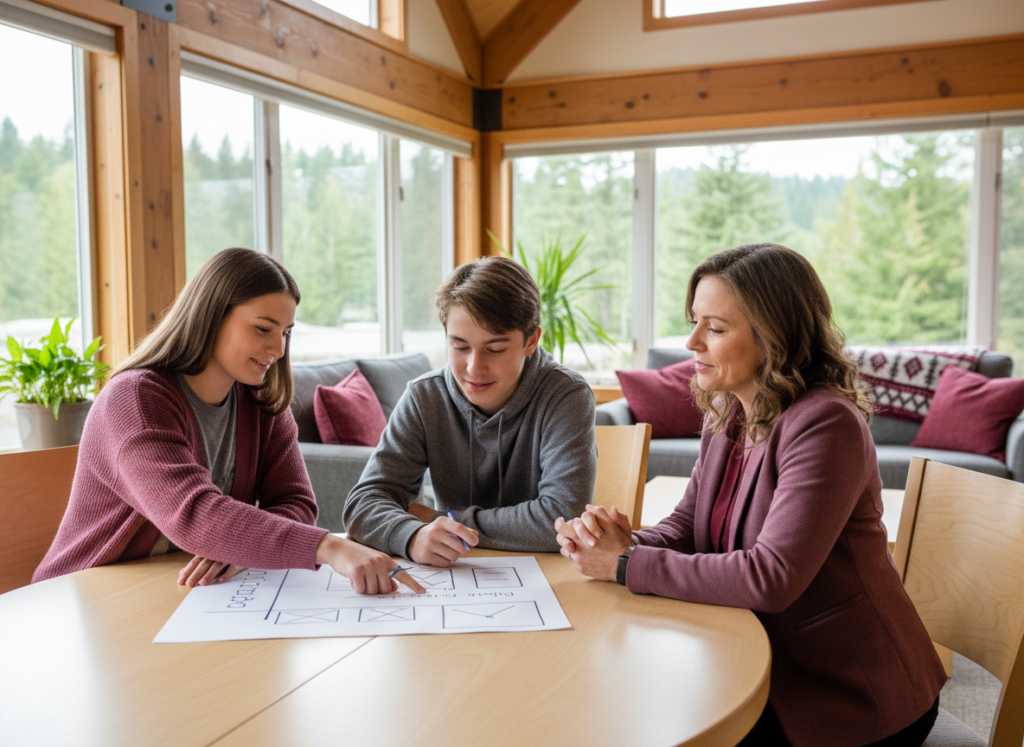
How the program works
People connected to WSU can begin by completing the Be That Coug inquiry. This is not an automatic match or acceptance. It is a way to share interests, availability, and questions so Cougs 4 Kids can discuss fit.
Depending on current needs, a person may explore mentoring, guest speaking, event support, sponsorship, MentorBoost Kits, alumni support, or other volunteer pathways. The program can discuss screening, training, time expectations, and approved communication channels.
Mentorship may include in-person, virtual, or hybrid one-to-one connection within current program guidelines. The value comes from a relationship that is caring, consistent, and supported by the program.
Who Cougs 4 Kids is for
Cougs 4 Kids serves Washington youth ages 13-18, with a focus on teens from marginalized and underserved communities. You can learn more on the Who We Serve page.
The program also gives WSU students, alumni, fans, businesses, and community supporters a meaningful way to serve. A person can begin with curiosity and then find the role that fits their schedule, strengths, and stage of life.
That shared identity matters. Cougs know what it feels like to be part of something larger than one person, and Cougs 4 Kids channels that spirit toward teens who deserve encouragement, opportunity, and caring connection.
For WSU-connected individuals, the invitation is not to arrive with a perfect script. It is to bring consistent attention, program alignment, and a willingness to build trust over time.
Frequently asked questions about near peer mentoring
What is near peer mentoring?
Near peer mentoring connects a young person with someone close enough in age or life stage to feel relatable, while still being far enough ahead to offer perspective.
Why is near peer mentoring effective?
It can reduce social distance, make questions feel safer to ask, and help teens imagine a future through someone who recently faced similar transitions. Strong programs still need structure and support.
What are the goals of Cougs 4 Kids mentorship?
The goals are belonging, confidence, leadership, and connection for Washington teens ages 13-18. Learn more on Who We Serve.
How does the Cougs 4 Kids program work?
WSU-connected individuals start with the Be That Coug inquiry. Cougs 4 Kids then discusses interests, role fit, preparation, and current opportunities.
Is Cougs 4 Kids a university program?
Cougs 4 Kids is a program of Believe in Me. WSU students, alumni, and supporters may participate, but program information should come from Cougs 4 Kids and Believe in Me.
Who should consider Be That Coug?
WSU students, alumni, fans, businesses, and community supporters can explore Be That Coug. You can also review volunteer options and sponsorships.
Be That Coug for a Washington teen
Near peer mentoring is powerful because it makes support feel close, human, and possible. A teen does not need a perfect hero. They need people who show up, listen, and help them see a next step.
If you are connected to WSU and want to explore a role, visit Be That Coug. Share your interests, ask your questions, and help Cougs 4 Kids build a wider circle of support around Washington teens.
