

Teamwork life skills help teens listen, share responsibility, handle disagreement, and follow through with others. Mentors can draw on lessons from athletics while keeping activities welcoming to young people who do not play sports. Start with one small task and give everyone a meaningful say.
A team is more than its most visible player. The same is true of a classroom project, volunteer effort, or community idea. Cougs 4 Kids, part of Believe in Me, supports teens ages 13–18 through mentoring and leadership. The practice ideas in this guide can help mentors discuss collaboration; they are examples, not descriptions of a scheduled program workshop.
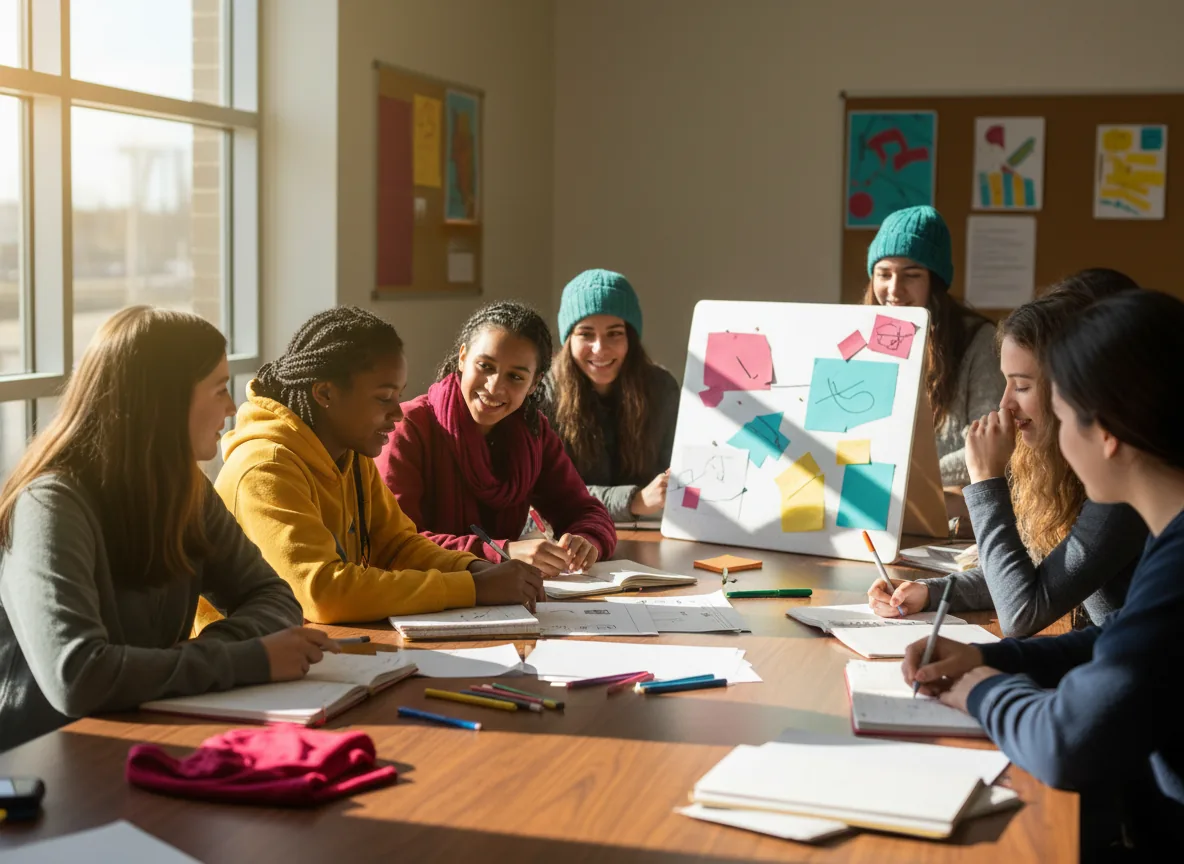
Make teamwork life skills visible in ordinary choices
First, name the behavior you want to practice. “Be a team player” is broad. “Check that everyone understands the plan before we begin” gives people a specific action. Then ask the teen where that behavior could help in their own life.
For example, organizing supplies with a partner requires more than moving objects. People need to agree on categories, explain choices, and check whether the arrangement works. A mentor can notice those decisions without turning the task into a competition.
Also, invite the young person to define good teamwork. Their answer may include fairness, feeling heard, or knowing whom to ask for help. Build the activity around that perspective. This makes the lesson relevant to their interests rather than an adult’s preferred picture of a winning team.
Try asking where collaboration felt easy this week and where it felt awkward. The answer can identify a useful skill to practice. Then choose a task small enough to leave time for reflection afterward.
Use the huddle to practice teamwork life skills
Before a shared task, use a brief planning conversation. Ask what you are trying to accomplish, what each person needs to know, and where you expect difficulty. Then agree on a first step together.
In athletics, a huddle can help people coordinate. In mentoring, a similar pause can create space for questions. However, do not assume the mentor should make the plan and assign every role. Ask the young person what they would change.
Search Institute’s Developmental Relationships Framework includes collaboration and opportunities for young people to lead. That principle supports a planning conversation where the teen has influence. Also, choose a task appropriate to the relationship and follow the program’s guidance. A small, meaningful decision can be enough to begin practicing.
Let people try different roles
Next, discuss the roles a task actually needs. Someone may gather ideas, check materials, explain the plan, or keep track of agreed steps. Also, include listening and checking understanding as valuable contributions.
For example, imagine two people preparing a simple project proposal. One could outline the idea while the other asks questions from a partner’s perspective. Then switch roles. This lets each person practice explaining and listening rather than being assigned a permanent label.
Ask which role the teen wants to try and what support would help. Avoid assuming that the most confident speaker should always present. Similarly, a quieter participant should not always receive a behind-the-scenes task. Choice, rotation, and reflection can make participation more meaningful while respecting different preferences and comfort levels.
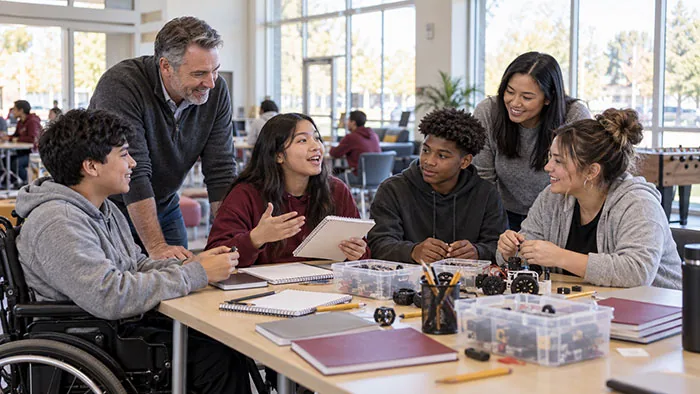
Practice teamwork life skills through respectful disagreement
When ideas differ, pause before choosing. First, ask each person to explain the purpose behind their suggestion. Then look for shared criteria: safety, usefulness, available time, cost, or what the intended audience needs.
For instance, one person might want an ambitious event while another prefers a smaller project. The disagreement may reflect different concerns rather than a lack of cooperation. Together, ask which option fits the resources and whether a small trial could help.
Also, model how to revise your own idea. Saying that a teen’s question changed your view makes listening visible. You do not need to manufacture agreement. Sometimes the useful outcome is a clear decision about what to test next, along with an explanation of why the group chose it.
Treat feedback as information for the next attempt
After a task, ask what helped and what got in the way. Keep feedback tied to observable actions. For example, “We started before checking the instructions” gives the group something to change. A label such as “disorganized” does not explain a next step.
Next, invite the teen to give you feedback too. Did your explanation make sense? Did you leave enough time for questions? This makes reflection mutual rather than a review of the young person’s performance.
Also, separate the outcome from the quality of collaboration. A group can work thoughtfully and still encounter an unexpected problem. Alternatively, a task may finish even though someone felt excluded. Ask about both the result and the experience. This helps teamwork practice include fairness and communication, not just completion.
Use sports examples without requiring a sports identity
A mentor who enjoys athletics can describe how teammates communicate or prepare. However, check whether the example connects with the teen. If it does not, use a setting they care about: music, gaming, art, a club, or a community project.
Avoid ranking interests or implying that sports are the only place to learn teamwork. The useful behavior is transferable. Listening for another person’s idea matters whether people are coordinating a performance, designing a poster, or deciding how to help a neighbor.
Also, keep activities accessible. A physical challenge is not necessary to practice collaboration. Ask about participation preferences and program guidance before choosing an activity. A conversation, planning exercise, or shared creative task can provide a useful starting point without assuming everyone has the same abilities or interests.
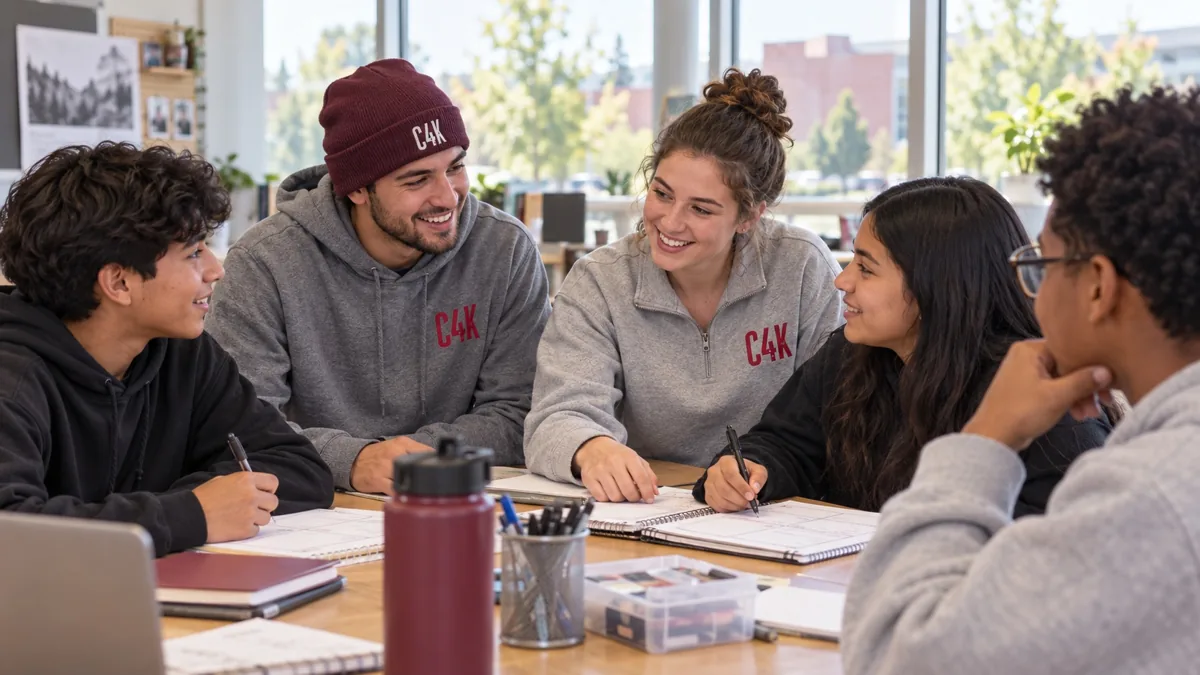
Carry teamwork life skills into the next week
Finally, ask the teen to choose one teamwork habit they want to use elsewhere. It might be checking understanding, inviting another person’s idea, or clarifying a role before a task begins. Then agree on a way to revisit the experience.
At the next conversation, ask what happened rather than grading the effort. Together, consider what to keep or adjust. MENTOR’s practice framework offers broader guidance on preparing and supporting mentoring relationships; the program’s own process should guide your role.
To explore participation, visit Cougs 4 Kids student mentoring and the programs overview. Teamwork life skills grow through practice and reflection. A thoughtful question and one shared decision can give a teen something useful to try beyond the conversation.
Frequently asked questions
Do teens need to play sports to learn teamwork?
No. Teamwork can be practiced through creative tasks, project planning, and everyday decisions. Begin with the teen’s interests and an accessible activity. For program context, review Cougs 4 Kids programs and ask staff what is appropriate.
What is a simple teamwork activity for mentoring?
Try planning a small hypothetical project together. Agree on the goal, choose roles, and compare two options. Then reflect on how you listened and decided. Confirm activities with the program; this suggestion is an example rather than a scheduled workshop.
How should a mentor respond to disagreement?
Ask each person to explain their goal, then compare ideas against shared criteria. Keep feedback specific and respectful. Also, let the teen question your idea. Search Institute’s framework supports collaboration and meaningful youth participation in decisions.
How can WSU students learn more about mentoring?
Visit student mentoring information and ask about preparation, support, and current expectations. MENTOR’s practice guidance provides useful background questions, while Cougs 4 Kids staff can explain the actual role and process.
