

Youth feedback starts with three clear questions: What helped? What felt hard? What would you like next? First, give teens time to answer in their own way. Then tell them which change you can make.
For WSU student mentors and Cougs 4 Kids readers, this is a useful spring habit. National Volunteer Week runs April 19–25, 2026. Along with thanking volunteers, make room to hear from the young people they serve.
For example, use the sample check-in below after a group activity. This can take five minutes. No one needs to praise the plan or share a personal story.

Why youth feedback belongs in the plan
Teens notice parts of a session that adults may miss. For example, a game may move too fast. Also, a room may feel too loud. Or a quiet role may help someone join in.
Asking for input gives you a chance to spot these details. However, asking alone is not enough. Search Institute’s guide to sharing power urges adults to respond to young people’s ideas. Act when you can, and explain when you cannot.
Start with one session, not the whole program. For example, ask about last week’s team-building activity. A clear focus makes each answer easier to use.
Set up youth feedback with choice
First, tell the group why you are asking. You might say: “We want to make our next session work better for you.” Then explain who will read or hear the answers.
Offer a few ways to take part:
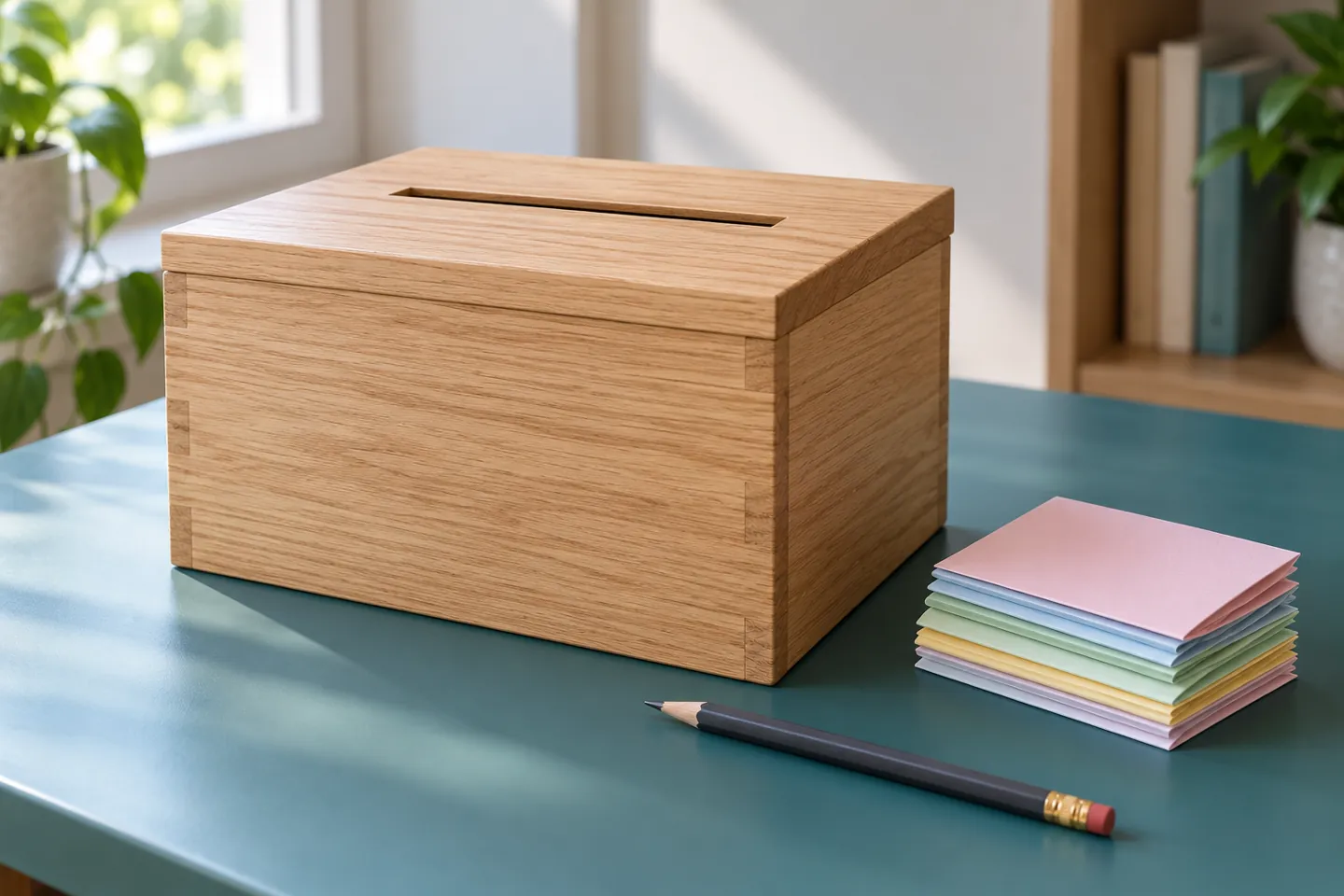
- Write a short note on a card.
- Speak with the staff member who collects feedback.
- Draw or point to a choice, if that works better.
- Skip a question or pass on the whole check-in.
Also, explain how to share an answer away from the group. Do not promise that an unsigned note is fully anonymous. In a small group, a detail may reveal who wrote it.
In addition, keep responses with the staff who need them. Follow your program’s rules for storing and deleting notes. If someone shares a safety concern, follow the program’s safety process.
Ask these three questions
Use the same short prompts with everyone. Then pause after each one. A few quiet seconds can help a teen find the words.
1. What helped you take part?
First, ask what made the activity easier to join. For example: “Did anything help you get started today?” A teen might name a clear example, a friendly partner, or extra time.
Next, check that you understood. You could say: “So seeing one practice round helped. Did I get that right?” Then keep the useful part in your next plan.
2. What felt hard or got in the way?
Ask about the activity without asking teens to judge each other. For example: “Was any part confusing or hard to join?” Avoid asking for names or private details.
Also, resist the urge to defend the plan. A simple “Thank you for telling me” leaves space for an honest answer. If needed, ask one calm follow-up: “Would a slower start help?”
3. What would you like to try next?
Finally, invite one small idea. It could be a different role, a short break, or a new way to form teams. Teens may also suggest a fresh project.
If they want ideas, explore these youth-led community projects together. Then ask which parts they would change. Treat the list as a starting point, not a vote with a fixed answer.

Turn youth feedback into one clear change
Next, review the notes with the right staff member after the session. Look for one change you can make within your time, space, and safety rules.
Here is a sample plan. Several teens say the opening game felt rushed. Next time, you add a practice round before starting. At the next session, you explain: “You asked for more time to learn the game. Today, we will try one round together first.”
Then check whether the change helped. If it did not, ask what still needs work. Keep this small cycle going as the group grows.
However, some ideas will need more time or may not work. Be clear about the reason. For example: “We cannot use that room this week. We can try a quieter table in this space.”
Finally, share the change with the whole group without naming who raised the issue. Also, avoid treating one loud answer as everyone’s view.
Youth feedback FAQs
Does every teen have to answer?
No. Make the check-in optional, and keep passing easy. Also, offer another chance later. A teen may need time to decide what to share. Search Institute’s sharing-power practices offer more ways to invite youth input and choice.
How is this different from a personal reflection?
This check-in asks how the session can improve. A personal reflection asks what someone learned or noticed about themselves. Both can be useful. For a separate activity, try our school year reflection guide. Let teens choose what they share in either case.
Can we use these questions after Volunteer Week?
Yes. Try them after a workshop, team activity, or service project. Also, ask local partners what would help them before planning service. Points of Light’s volunteer resources can help you explore service options.
Make space for one honest answer
To begin, offer the three questions and a private way to respond at your next session. Then choose one useful change and tell teens what will happen next.
Want to learn about mentoring with Cougs 4 Kids? Explore how to get involved and ask about current opportunities.
Images are AI-generated illustrations and do not show actual program participants.
