

Pride Month can inspire celebration, but young people need belonging after the calendar page turns. For LGBTQ+ youth in mentoring and leadership programs, belonging shows up in the details: names used correctly, assumptions avoided, privacy respected, and adults prepared to respond when harm happens.
Cougs 4 Kids begins with the belief that every young person deserves a Coug in their corner. During Pride Month, that means asking how WSU students, alumni, mentors, and supporters can create leadership spaces where LGBTQ+ youth are not merely included in a photo, but genuinely safe to participate.
LGBTQ youth belonging grows through everyday behavior
LGBTQ youth belonging in mentoring programs happens when mentors use respectful language, protect privacy, follow safety policies, listen without making youth educate the room, and create activities where every participant can contribute. It is not a slogan. It is a set of repeatable practices.
The Trevor Project reports that LGBTQ+ youth face elevated mental health risks and that affirming environments can be protective. Mentoring programs should treat that evidence as a call for preparation, not panic.
Start with role clarity and safety
A mentor is not a therapist, parent, legal advisor, or crisis responder. A mentor can listen, model respect, support group activities, and connect a young person back to trained adults when a concern needs more help.
MENTOR’s Elements of Effective Practice for Mentoring emphasizes intentional program practices such as screening, training, matching, monitoring, and closure. Those basics matter even more when youth may be navigating identity, privacy, or rejection.
Use names and pronouns with care
Respect begins with the name a young person asks you to use. If a program collects names or pronouns, it should also protect that information and avoid outing a youth to peers, caregivers, or public audiences.
The GLSEN pronouns resource offers practical guidance for educators that mentors can learn from: normalize respectful introductions, avoid forcing disclosure, and correct mistakes without making the moment about adult embarrassment.
Support LGBTQ youth belonging without tokenizing
Pride Month activities should not require LGBTQ+ youth to explain identity, trauma, or discrimination. Instead, leadership programs can focus on teamwork, service, creative problem-solving, and youth voice while making space for identity without making it a burden.
For example, a service project can invite students to define what belonging looks like in a community. A mentor can ask, “What would make this activity feel safer and more welcoming?” Then the adult’s job is to listen and adjust.
Prepare mentors for hard moments
Mentors need a simple response plan for jokes, slurs, exclusion, or disclosure. The plan should include interrupting harm, checking on the youth affected, documenting according to program policy, and bringing in the right staff support.
The National Mentoring Resource Center provides mentor training resources on communication, boundaries, and relationship building. Programs can adapt those topics to include LGBTQ+ belonging and anti-bullying expectations.
What WSU mentors can practice
Student mentors can practice humility: ask open questions, avoid assumptions about family, dating, clothing, faith, or future plans, and let young people define what support means. They can also notice quiet participants, interruptions, and people who need another way to participate.
That kind of leadership is very Cougar: service, teamwork, and pride expressed through action. It helps young people experience community rather than just hear adults talk about it.
How supporters can encourage LGBTQ youth belonging
Inclusive mentoring requires training time, staff support, materials, transportation, safe spaces, and consistent coordination. Alumni, donors, businesses, and sponsors can fund the behind-the-scenes structure that makes belonging more than goodwill.
Supporters can also ask better stewardship questions: Who prepares mentors, and what does training cover? Which practices protect youth privacy? How does the program respond to bias? How does youth feedback shape activities?
Frequently asked questions
How can mentors support LGBTQ+ youth during Pride Month?
They can use respectful language, protect privacy, interrupt harmful comments, and design activities that do not tokenize youth.
Should mentors ask every youth for pronouns?
Programs can normalize optional pronoun sharing, but they should never force disclosure or share information beyond the setting where it was offered.
What if a youth discloses a safety concern?
The mentor should listen calmly, avoid promising secrecy, and follow program safety procedures by involving trained staff.
How can donors support belonging?
They can fund mentor training, safe programming, transportation, materials, and staff coordination that make inclusive practices consistent.
Put belonging into practice
Pride Month is a reminder, not a finish line. LGBTQ+ youth deserve leadership spaces where respect is visible in daily behavior, not only in seasonal messaging.
If you are a WSU student, alum, donor, or community supporter, help Cougs 4 Kids build mentoring spaces where young people can lead, belong, and be supported with care.
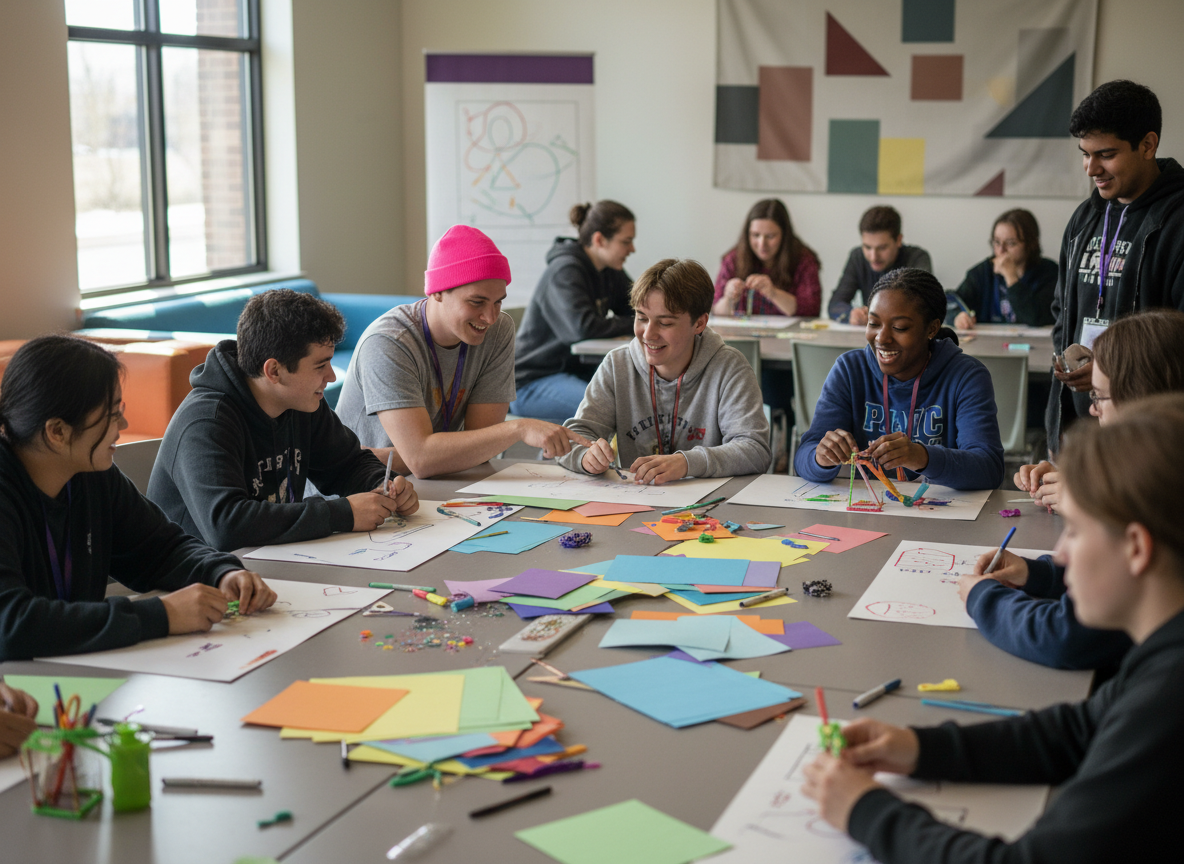
LGBTQ youth belonging during a group activity
Belonging is easiest to see in small moments. A mentor learns a young person’s name, explains the activity before asking them to join, offers more than one way to participate, and notices when someone is being talked over. If a youth opts out of a prompt, the mentor respects that choice and offers another role.
Good activities also avoid making identity the only topic. LGBTQ+ youth may want to lead a service idea, design a team challenge, solve a problem, or talk about school and goals. Belonging means they can bring their full selves without being reduced to one part of themselves.
A mentor script for common moments
If a joke crosses the line, a mentor can say, “We do not use people’s identities as punchlines here. Let’s reset.” If a youth corrects a name or pronoun, the mentor can say, “Thank you for telling me,” then use the correct language without turning it into a speech.
If a young person shares something private, the mentor can respond, “Thank you for trusting me. I want to make sure you have the right support, so I may need to bring in the program lead if this affects your safety.” That calm honesty protects trust and keeps the mentor inside their role.
Why this matters beyond Pride Month
Pride Month gives programs a visible reminder to examine culture, but young people experience belonging through ordinary routines. Training, supervision, respectful language, and clear response plans should continue in July, August, and every youth leadership activity after that.
For Cougs 4 Kids, inclusive mentorship is part of leadership development. WSU students practice courage, humility, teamwork, and service when they help build spaces where every young person can participate with dignity.
Ask better questions about LGBTQ youth belonging
Sponsors can strengthen inclusive mentoring by asking program-quality questions instead of requesting performative proof. Ask who trains mentors, how staff collect youth feedback, and which practices protect privacy. Also ask how staff respond to reports of harm or exclusion.
Those questions help fund the infrastructure of belonging: preparation, supervision, transportation, materials, and staff time. They also signal that donors value dignity as much as visibility. For LGBTQ+ youth, that distinction matters because support should never require public disclosure or a polished story.
A final reminder for mentors
You do not need to be perfect to be a helpful mentor. You do need to be prepared, respectful, honest about your role, and willing to repair quickly when you make a mistake.
