

After a missed mentoring session, start with a kind check-in through the program’s approved channel. Ask your program contact about the next step. Then offer a clear way to reconnect without blame. A teen does not need to share private details to help plan the next visit.
Winter weather, illness, and school changes can disrupt plans. This Cougs 4 Kids guide helps Washington State University (WSU) student mentors and youth program coordinators respond with care. The goal is a fresh start and a plan people can keep.
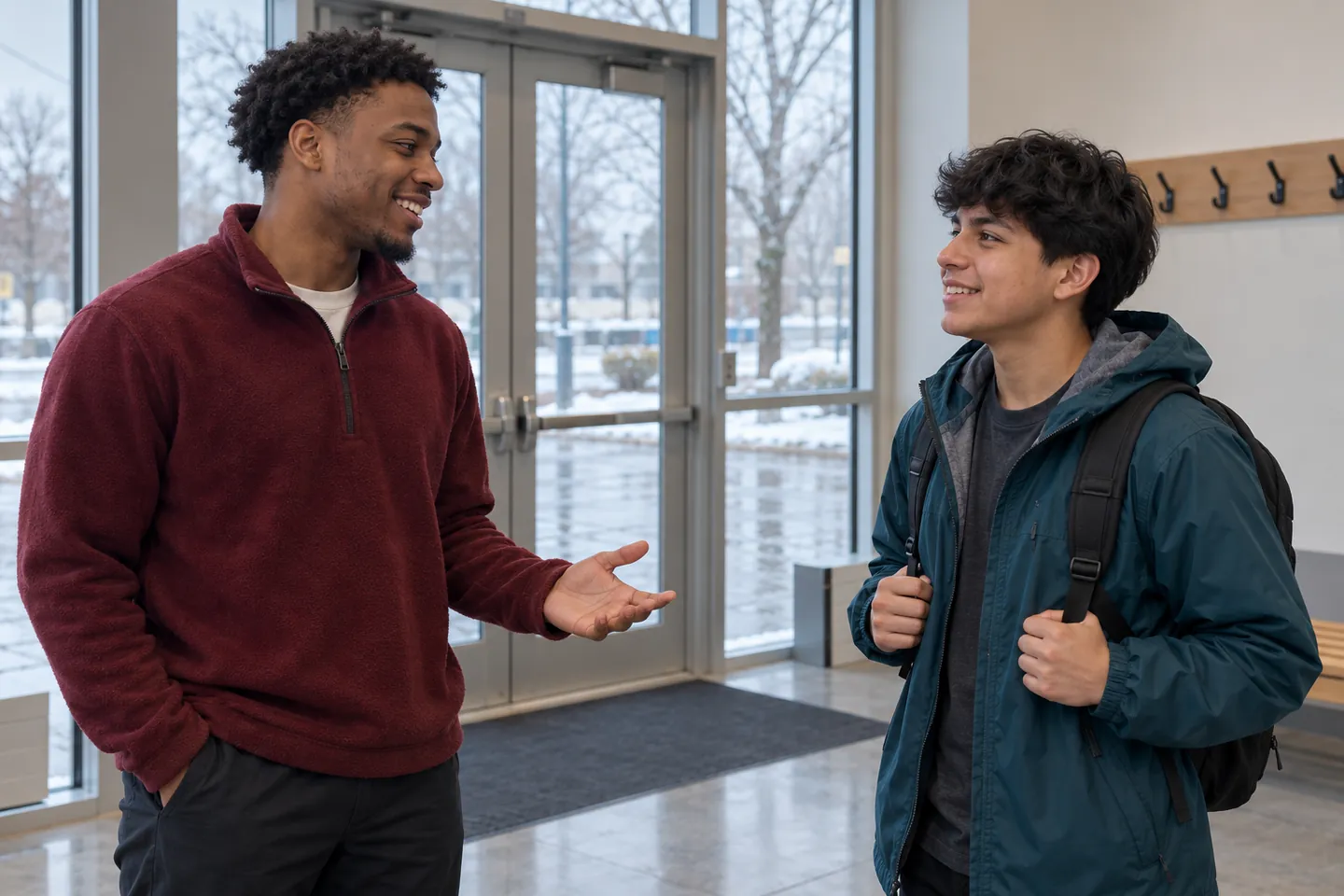
Pause before guessing why a session was missed
First, separate what you know from what you assume. “We did not meet on Friday” is a fact. “They do not care” is a guess. Also remember that a missed reply may reflect a phone, schedule, or access problem.
In its guidance on uneven participation, iMentor notes that school, illness, and other demands can affect contact. However, you may not know the reason in your own match. Give the teen room to speak without asking them to defend themselves.
Before reaching out, check whether staff already sent an update. Then follow the program’s rules for contact, waiting, and missed visits.
Send a kind mentoring session check-in
Next, agree with your program contact on who should send the message. Use the approved channel and timing. Avoid sending the same note through several apps or asking peers to track someone down.
For example, adapt this sample after staff approval:
“Hi! We missed our planned time together. I look forward to seeing you again. Would you like help finding a new time through our program contact?”
Keep the note short. Also avoid guilt, such as “I waited all afternoon for you.” Do not promise to be available at any hour. Our guide to flexible mentoring can help you choose a commitment you can keep.
If no reply arrives, ask the program contact when to follow up. A clear process is better than a string of worried messages.
If you missed the mentoring session, own it
Sometimes the mentor is the person who misses a meeting. In that case, tell the program contact promptly. Then offer a simple apology through the approved channel.
For example, you could say:
“I missed our planned meeting, and I am sorry. Your time matters. I will work with our program contact to confirm a new plan.”
Next, explain what you will do differently. You might check your class schedule before choosing a date or set a reminder. However, do not ask the teen to comfort you or accept a new time that does not work for them.
Search Institute’s relationship framework includes being dependable and listening. A useful way to put that into practice is to acknowledge a mistake and follow through on the next promise.

Ask about practical barriers, not private reasons
Once contact resumes, ask what would make the next visit easier. Focus on the plan. For example, try, “Does this time still work?” or “Is there something about getting here that we should review with staff?”
- Timing: Has a class, work shift, or family routine changed?
- Travel: Does the approved travel plan still work in winter weather?
- Access: Is the space, activity, or message format easy to use?
- Interest: Would the teen like a different approved activity?
Let the teen pass on a question. Also ask before sharing a personal detail with others, while following required safety reporting rules. Do not promise secrecy.
Use our activity access checklist to review practical needs. Staff should approve changes to location, transport, or supervision before the next meeting.
Make the next mentoring session easy to confirm
Now choose a realistic next step together. Offer only options the program can support. For instance, a shorter approved visit may work better than trying to make up every missed minute.
Before you end the conversation, confirm these five details:
- The day and start time.
- The approved location or meeting format.
- The end time and a simple activity choice.
- Who will send the approved reminder.
- Who to contact if plans change again.
Then ask the teen to check the plan in their own way. They can say it back, read a short message, or ask a question. However, silence is not a confirmed yes.
Our mentor check-in guide offers more ways to prepare for schedule gaps.

Welcome the teen back without a spotlight
At the next visit, start with a simple greeting: “It’s good to see you.” Then offer a familiar activity or a choice between two approved options.
In a group, do not announce why someone was away or make them explain it. Instead, give a brief update on what the group did. Also ask whether they want help joining the current task.
Let the first few minutes be ordinary. A shared game, drawing prompt, or quiet chat can give you a place to begin. Choose an option that fits the teen and the setting.
Before leaving, check the next date once more. A clear ending can make the following visit easier to plan.
Know when to bring the program contact back in
If missed visits continue, ask staff to review the pattern with you. Share dates, agreed plans, and contact attempts. Keep guesses and labels out of the record.
Staff can help decide whether the schedule, support, or match needs to change. For example, iMentor’s staff follow-up guidance describes how coordinators keep mentors informed after an absence. Follow your own program’s process rather than assuming another program’s rules apply.
Also bring safety concerns to the designated program contact promptly. Use your training and reporting steps. Do not treat a missed meeting alone as proof of danger or try to investigate on your own.
Frequently asked questions
How soon should I follow up after a missed mentoring session?
Use the timing set by your program. If you are unsure, ask your contact before sending another note. The iMentor follow-up resource shows why clear staff updates help mentors know what to do next.
What if the teen does not want to explain?
Respect that choice. Instead, ask what would help with the next plan. You can still clarify attendance expectations without asking for private details. Search Institute’s framework emphasizes listening, respect, and involving young people in decisions that affect them.
Should I offer a gift to encourage a return?
Start with a welcoming message and practical support. Do not make personal gifts or side deals to secure attendance. Ask staff about any proposed incentive. Our mentoring commitment guide can help you focus on steady, realistic support.
Choose one next step you can keep
A missed mentoring session calls for a clear, caring response. First, check with the program contact. Then send a kind note, listen to the teen’s needs, and confirm the next plan.
Want to help young people build strong connections? Explore ways to get involved with Cougs 4 Kids and ask about current opportunities.
Images are AI-generated illustrations and do not show actual program participants or events.
