

Accessible activities start before a group leaves home. Check the trip, the price, the space, and the plan. Then ask teens what would help them take part. A place that works for one person may not work for everyone.
Spring brings fresh ideas for outings and service projects. For WSU student mentors and teen planning teams, it is a good time to look beyond the activity itself. First, find out who can get there and join in.
Use this guide to compare options before you book. Also, ask program staff and venue staff to confirm details. A friendly photo or an “accessible” label cannot answer every question.
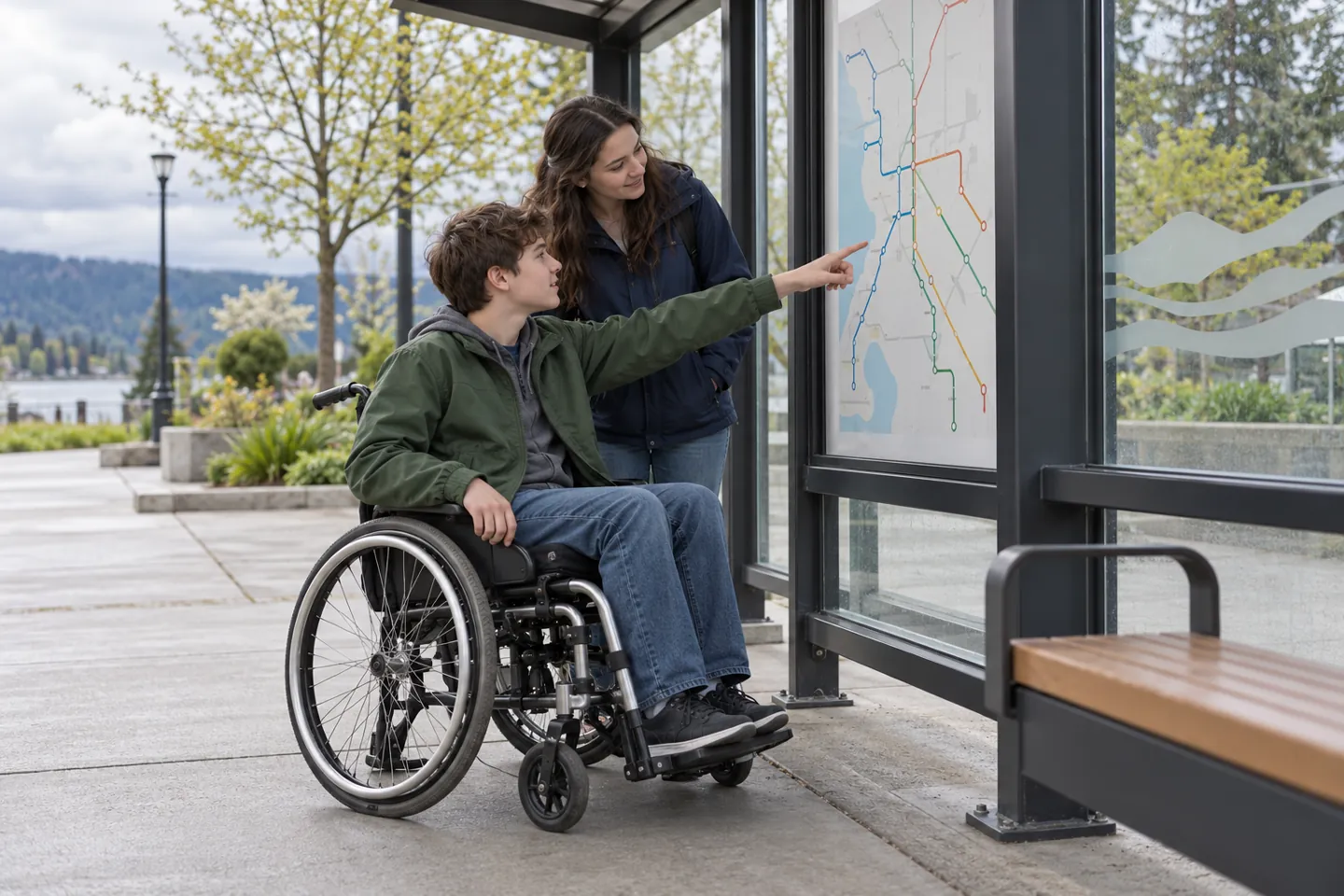
Plan accessible activities with teens
First, invite input before choosing a place. Ask: “What would make this outing easier for you?” Offer a private way to reply to a staff member. For example, someone may need a shorter trip or clear written directions.
Teens do not need to explain a health condition to the group. Instead, focus the group talk on what will help. Let staff handle any private support details through the program’s process.
Next, name two or three possible activities. Use our youth-led project guide to keep teens involved in the choice. Adults can check the details while teens shape the goal.
Check travel, cost, and timing
Start with the full trip, including the ride home. Also, check the actual day and time you plan to travel. A route that works on a weekday may be different on a weekend.
- How will each teen reach the meeting point?
- Does the chosen transport meet the group’s access needs?
- What are the fares, entry fees, and supply costs?
- Will the end time work for the trip home?
- Who will share changes if a ride is late?
For example, a free event may still require two bus fares. Add those costs before calling the outing free. Then ask staff about approved transport and any available help with costs. Do not promise funds or rides that no one has confirmed.
Look beyond the front door
Next, check the whole route through the site. Ask about surfaces, slopes, doors, lifts, and rest stops. Also, confirm that the route reaches the activity and the restrooms.
The University of Washington’s event planning guide highlights entrances, seating, routes, and nearby accessible restrooms. Use those topics to guide questions for the venue.
For example, ask: “Is the step-free entrance open during our visit?” Then ask whether a lift is working and whom to contact if it is not. If possible, have staff check the route before the outing. Share specific facts with teens so they can help judge the fit.
Make accessible activities easier to follow
Before the trip, share a short plan in clear language. Include the meeting point, start time, end time, and main steps. Also, give teens a way to ask questions.
During the activity, explain one step at a time. For example, show a task as you describe it. Use readable print and captions for videos. Ask staff to arrange requested communication support early.
The UW’s in-person event guidance includes clear materials and ways for people to follow the discussion. Our teen team-building ideas can also help you plan roles with choice.

Plan for weather and quiet breaks
Spring plans need a backup. First, ask what changes if rain makes a path muddy. Then check whether the indoor option has the same access features.
Also, find out where a teen can take a quieter break. Ask about seating, crowd levels, and noise. Agree with staff on how breaks will work while keeping the group supported.
For example, a loud lobby may not be a useful rest spot. A quieter room may work better if staff can arrange it. Let teens choose whether to use personal comfort items, such as earmuffs. Finally, explain how they can rejoin the activity.
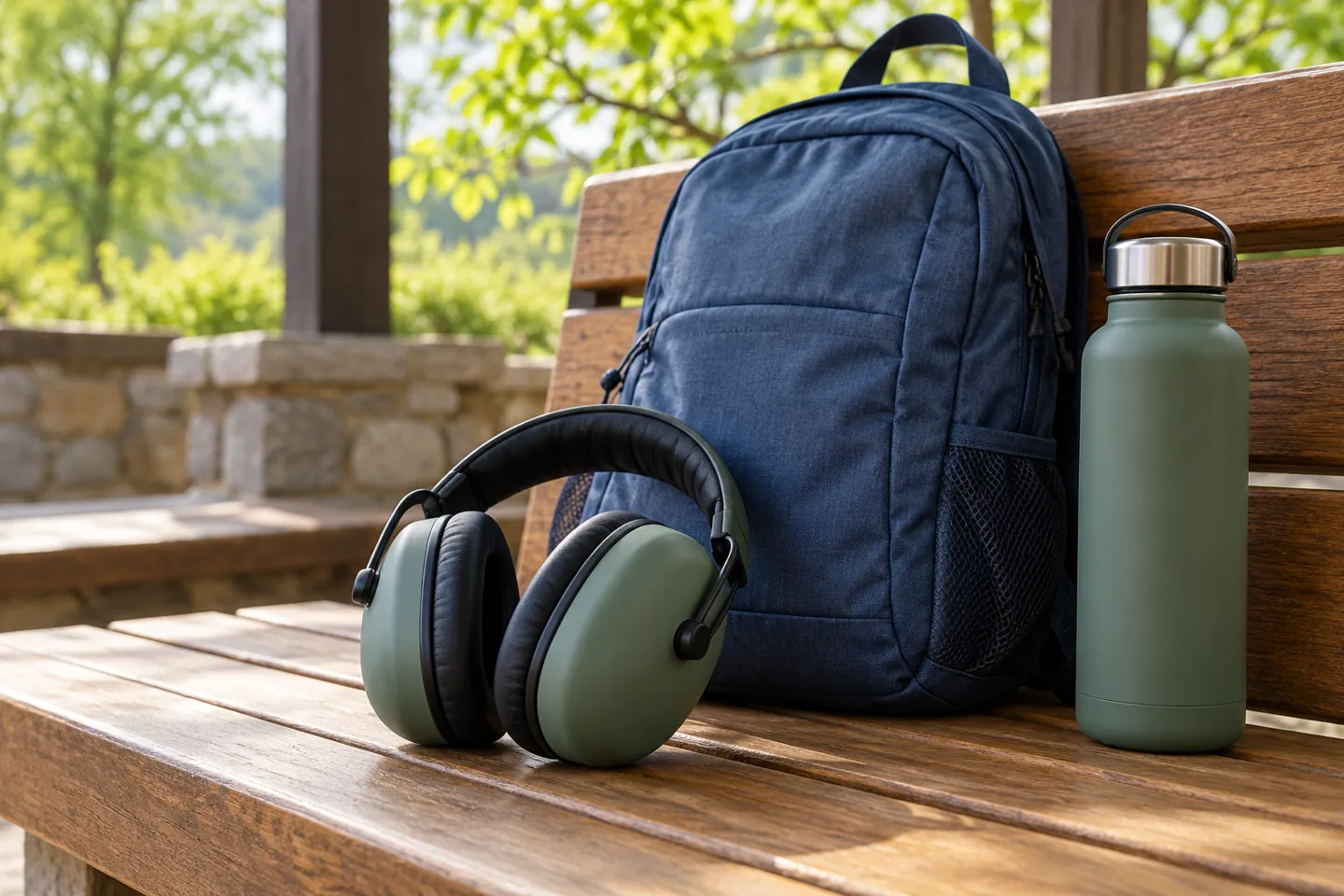
Compare two accessible activities
Try this sample planning exercise. Your group likes both a garden visit and an indoor art session. First, list what you know about each choice. Then mark each unanswered question.
The garden might need a wet-weather route check. The art session might need more space between tables. Neither option wins just because it sounds easier.
Next, assign each question to a staff member or venue contact. Ask for answers before the booking deadline. If an important barrier remains, change the plan with the group. Keep looking for a shared activity that people can join.
Share clear details before the outing
Once staff confirm the plan, send a short note to teens and families. Include costs, travel details, breaks, and a contact for questions. Also, describe known limits honestly. Avoid saying “everyone can attend” without checking individual needs.
For a national park visit, start with the National Park Service access planning page. It points visitors toward park-specific information and advance contact. Then confirm details with that park before making plans.
Accessible activities FAQs
Can a teen ask for help without sharing a diagnosis?
Yes. They can begin by saying what would help them join. For example: “I need a seat during the talk.” Keep that conversation private when requested. Then let program staff explain any next steps. After the trip, our three-question feedback guide offers an optional way to suggest changes.
Does a free outing solve every access problem?
No. Travel, timing, noise, space, and communication can still create barriers. Also, check whether supplies or food cost extra. Ask the group what matters before choosing. Then use these teen-led project ideas as options to adapt together.
How do we know a place will work?
Start with specific questions and current answers from venue staff. Also, involve the teens who will attend. The UW planning checklist can help you spot topics to ask about. A checklist supports planning; it cannot confirm that a site meets every person’s needs.
Choose one next step together
Before booking your next outing, ask teens what could get in the way. Then assign someone to check each open question. Small planning choices can make joining in easier.
Interested in supporting young people? Explore mentoring with Cougs 4 Kids and ask about current opportunities.
Images are AI-generated illustrations. They do not show actual program participants or verified outing sites.
