

A community swap lets people share clean, useful things they no longer need. Teens can lead one by choosing an item type, asking a host for approval, and making a clear plan for leftovers. Start small, with books, craft supplies, or clothes.
Earth Day falls on April 22, but the work can keep going after that date. A spring swap gives teens a hands-on way to practice planning and care for shared resources.
This guide is for teen service groups and WSU student mentors. Use it to plan a new project together. The examples below are ideas, not reports of a Cougs 4 Kids event.

Start your community swap by listening
First, ask a possible host what people would find useful. A school club, library, or youth center may have ideas. However, ask before collecting items or naming a group as your partner.
Try three questions: What would people use? What can the site accept? Who will take anything left over?
Next, let teens choose the focus. For example, they might suggest a book swap after hearing that readers want new stories. A mentor can help with calls and site rules while teens lead the choices. Our guide to youth-led community projects explains how to share that work.
Choose one kind of item to reuse
Start with one item type so the plan stays clear. Then write a short list of what you will accept. Make sure the host agrees before you share it.
| Swap idea | Simple condition check | Ask the host |
|---|---|---|
| Books | Clean, dry, with all pages attached | Which reading ages or topics fit? |
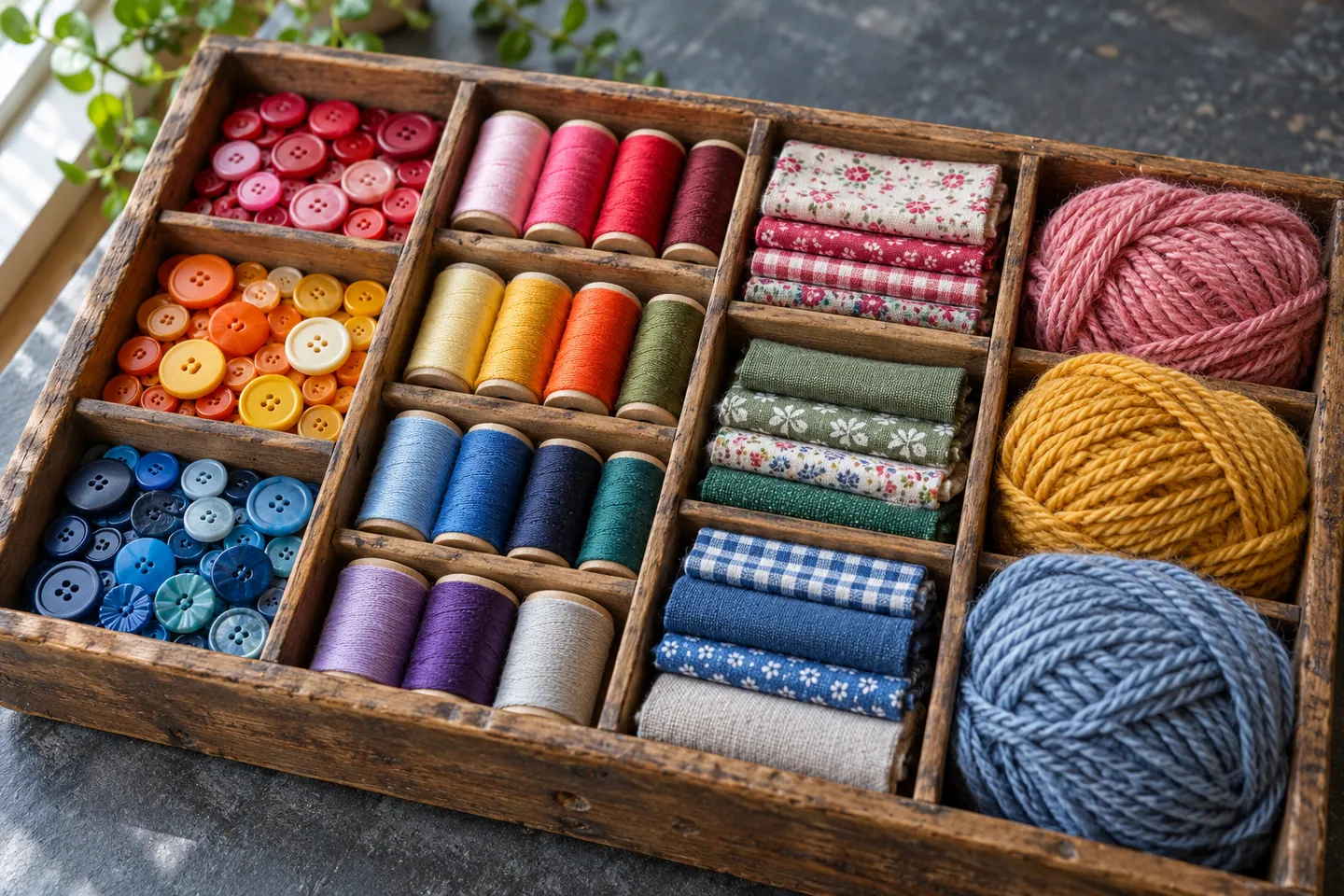
| Craft supplies | Clean yarn, fabric pieces, or sorted buttons | Which supplies are useful and allowed? |
| Clothes | Freshly washed, dry, with no major tears | Which sizes and clothing types are needed? |
For a first project, leave out food, medicine, batteries, electronics, and items that need repairs. Also, avoid buying new things just to fill a swap table. Use what people already have.
The EPA places waste prevention and reuse ahead of recycling. A swap can help a useful item find another home. Still, don’t claim a set amount of waste or carbon saved without sound records.
Set fair community swap rules
Next, agree on how people can take part. A free sharing table can welcome people who have nothing to bring. For example, the host might set a small starting limit per person, then offer more near closing time.
Also, keep the rules kind and easy to read. Avoid asking people to explain why they need an item. No one should have to pose for a photo or share a personal story.
Before you invite guests, post the date, place, item list, condition rules, and pickup hours. Include a way to ask about access needs. If plans change, tell people through the same channel.
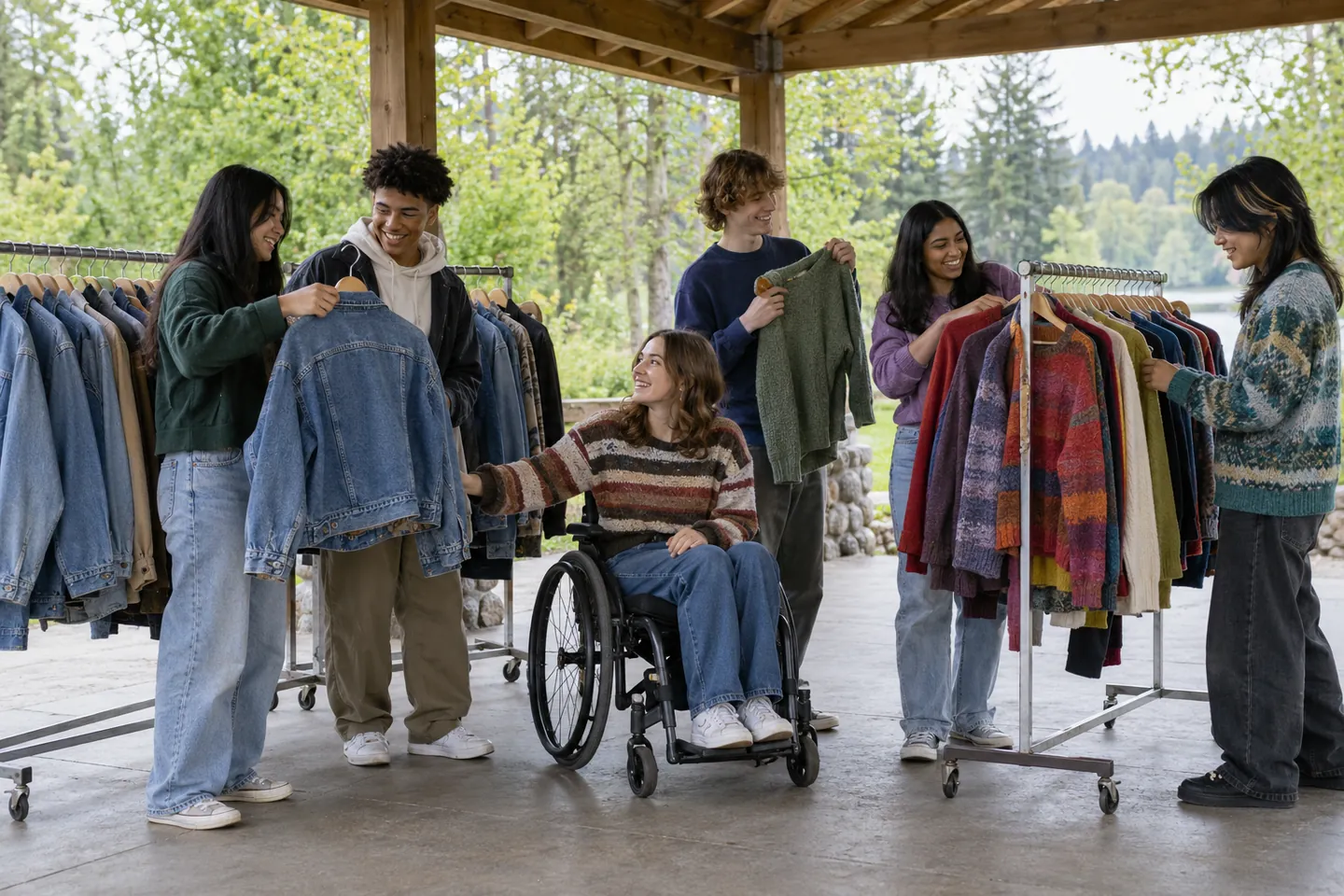
Give teens real jobs and room to choose
Then invite each teen to choose a task. Some may enjoy greeting guests. Others may prefer sorting supplies, making signs, or counting items.
- Welcome: Explain the rules and help people find the right area.
- Sort: Check items with a mentor and place them in clear groups.
- Arrange: Keep paths open and items within easy reach.
- Close: Pack leftovers for the agreed next stop.
Also, offer seated tasks and breaks. No one needs to lift heavy boxes or speak to a crowd to help. A short practice round can make the day feel more familiar. Try a team-building activity before the swap.
Meanwhile, mentors should follow program rules for supervision and contact. Let teens solve small problems, but step in when they need support or a safety issue comes up.
Plan the space and leftovers before opening
First, confirm who may use the space, when you can set up, and who will stay until closing. If the swap is outdoors, agree on a rain plan with the host.
Next, check the route to the tables. Leave room for people using wheelchairs or other mobility aids. Use clear signs, offer help on request, and keep exits open.
Then decide where every leftover item can go. Ask a receiving group what it accepts and when it can receive items. Never leave boxes at a closed site. If no group agrees, arrange to return items to their owners.
For items that cannot be reused, check local disposal rules. The EPA’s recycling guide explains common materials and reminds readers to check local programs.
Close your community swap with a short check-in
Finally, count items that found new homes and note what remains. Label counts honestly. For example, “24 books taken” is clearer than a claim that the project changed 24 lives.
Then ask teens what worked, what felt hard, and what they would change. Let them talk, write, draw, or pass. Our three-prompt reflection guide can help with that conversation.
Want to explore mentoring with Cougs 4 Kids? Visit the mentor inquiry page to learn more. A useful first step is simple: listen to a teen’s idea and help them test it.
Community swap FAQs
Here are a few common questions to discuss with your host.
Can we hold a swap after Earth Day?
Yes. April 22 is the annual Earth Day date, but reuse can happen in any season. Choose a time that fits teens, the host, and the people you hope will join.
Does everyone have to bring something?
No. You can plan a free sharing table where people may take part without bringing an item. First, agree on fair limits with your host. Then explain those limits in the invitation.
What should we do with books no one takes?
Ask a local group whether it wants the books before delivery. The EPA suggests donating books in good condition. However, each group sets its own rules. Follow your return plan if no one can accept them.
How can a quiet teen help lead?
Offer choices such as sorting, layout, signs, or tracking items. Also, ask what they would enjoy. Leadership includes planning and listening, as our youth-led service guide explores.
Images are AI-generated illustrations and do not show actual program participants.
