Service as Citizenship: How Youth-Led Projects Build Confident Community Leaders
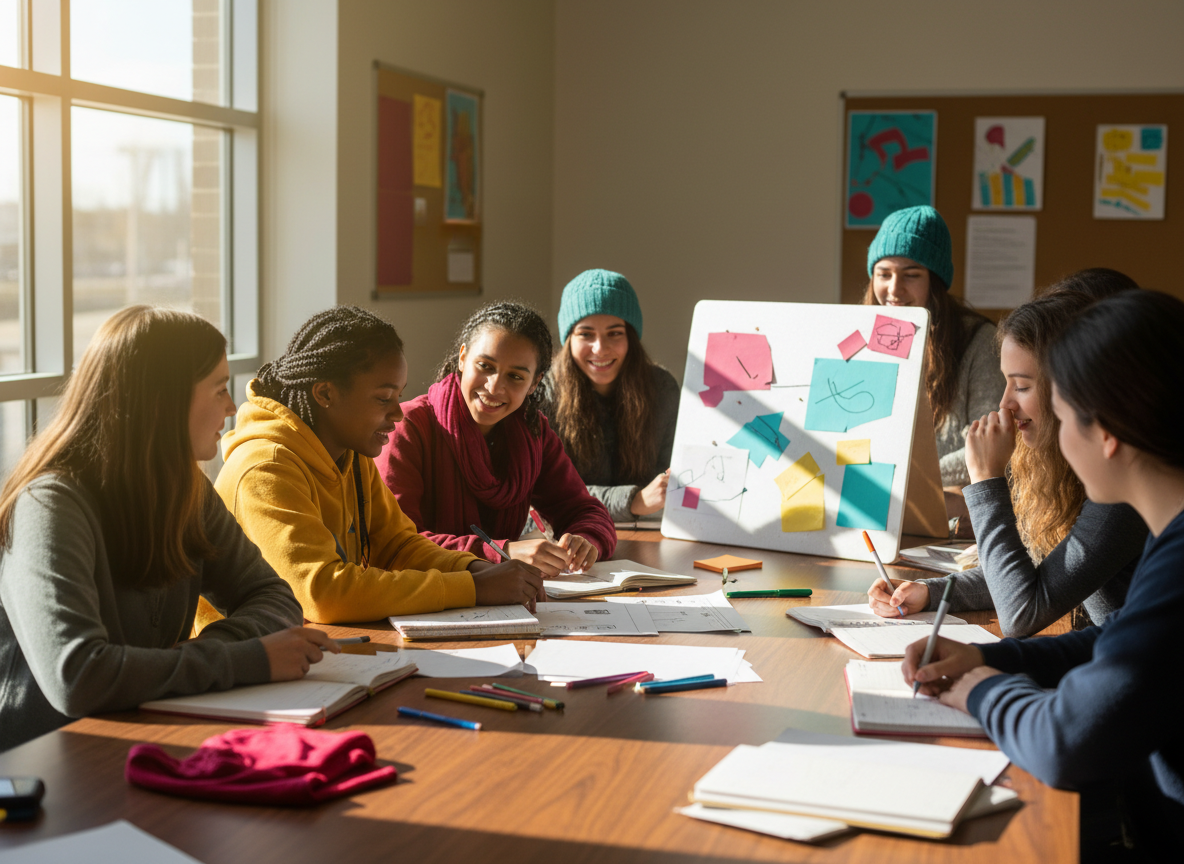
Youth led service projects give teens a chance to practice leadership through real decisions. Start with a community question, listen to the people affected, and give young people meaningful choices. Mentors can provide guidance while youth help shape the plan.
For Cougs 4 Kids, service as citizenship means young people are invited into community responsibility with mentors beside them. The project can be small. The shift can be huge: a student moves from “someone should fix this” to “we can help with this.”
Youth led service projects build real responsibility
Youth-led service projects build leadership skills because students practice listening, planning, communication, teamwork, problem-solving, follow-through, and reflection. Those skills are hard to learn from a lecture. They become real when youth use them on something that matters to other people.
Youth.gov’s positive youth development framework emphasizes opportunities, supportive relationships, and strengths-based environments. Youth-led service fits that model when adults provide structure without taking over.
Start with a community question
First, a strong project begins with a community question. What would make our school, neighborhood, youth center, park, library, or community event more welcoming? Who should we ask before choosing a project? What strengths do we already have in the room?
These questions teach young people that leadership starts with listening. They also prevent service from becoming a guessing game where adults decide what the community needs and youth simply carry boxes.
Give youth real choices in youth led service projects
Young people can help choose the project type, assign roles, design materials, invite participants, make a timeline, speak at the event, or lead reflection. Not every decision has to be wide open, especially when safety and budget matter. But some decisions must be real.
When youth have real choices, they practice agency. They learn that leadership includes tradeoffs, not just inspiration. A mentor can ask, “What will work best with the time and supplies we have?” That question teaches practical leadership without shutting down youth voice.
Mentors should guide the process
Mentors help by creating boundaries, asking better questions, watching group dynamics, and making sure the project stays safe. They should not quietly redo the plan because an adult version would look cleaner. Youth need room to practice, revise, and own the outcome.
The approved reminder is useful here: “Students should not have to already know the system to find their next step.” Mentors make the process visible. They do not make themselves the hero of it.
Choose projects with clear benefits
For example, youth-led projects can include welcome kits, community cleanups, library displays, care cards, resource maps, school supply tables, thank-you campaigns, youth voice surveys, or simple neighborhood improvement projects. The best option depends on age, setting, community input, and available supervision.
The project should answer three questions: Who benefits? What will youth lead? How will we know it helped? If those answers are fuzzy, the project may need more listening before launch.
Track progress in youth led service projects
Confidence grows when youth can point to something they helped make better. That might be a cleaned space, a delivered kit, a completed mural, a thank-you board, a new resource list, or a successful event. The result gives students evidence that their effort mattered.
However, mentors should also name less visible progress: a quiet student spoke up, a team resolved disagreement, someone asked for help, or a group finished despite setbacks. Those moments are leadership too.
Let youth practice roles, not labels
A youth-led project gives students a chance to try roles: facilitator, timekeeper, supply lead, welcome host, photographer with consent, cleanup captain, speaker, designer, or reflection leader. Roles are easier to try than permanent labels like “leader” or “shy kid.”
When mentors rotate roles, more youth get a chance to discover strengths. A student who does not want to speak publicly may be excellent at organizing supplies. A student who struggles with planning may shine when welcoming participants. Leadership becomes broader and more honest.
Use mistakes as leadership material
However, youth-led projects will not go perfectly. Supplies may be missing, a plan may take too long, or a group may disagree. Mentors can turn those moments into growth by asking calm questions: What happened? What can we adjust? Who needs support? What did we learn for next time?
This is where confidence deepens. Young people learn that leadership is not the absence of mistakes. It is the ability to repair, adapt, communicate, and keep moving with respect.
Connect youth led service projects with citizenship
Citizenship is not only voting someday. It is learning how to participate in a community now. Youth-led service helps teens practice noticing needs, respecting neighbors, sharing power, and taking action with others.
AmeriCorps and national service programs show how service can connect people to civic life. For younger students, a local project can be the first step toward seeing community participation as part of who they are.
Reflect before calling it done
Finally, reflection is where service becomes learning. Ask youth: What did we learn about our community? What did we learn about ourselves? Which parts were harder than expected? What would we change? Who else should be included next time?
These questions help students connect action to leadership skills. They also keep service from becoming a photo opportunity. The goal is not just to do something nice. The goal is to grow as contributors.
Keep projects youth-centered and safe
Youth-led does not mean youth are left alone to manage risk. Adults should handle permissions, transportation rules, safety plans, partner communication, and privacy boundaries. Students can lead within a container built to protect them.
Cougs 4 Kids can help WSU-connected mentors, alumni, donors, and partners create service opportunities that build leadership without overwhelming youth. Learn how Cougs 4 Kids works, then support a project that lets young people practice citizenship with confidence.
Yes. Small projects often give youth more visible responsibility and clearer reflection than large events.
Make the next youth led service project easier
After the project, save the timeline, supply list, partner contact, reflection questions, and lessons learned. That simple record helps the next youth group begin with more confidence. It also shows students that their work becomes a resource for others.
When youth see their project helping future teams, service becomes legacy. They are not only completing an activity. They are building a pattern of community leadership.
Invite supporters into the work
Donors, alumni, and community partners can support youth-led service without taking control. They can fund supplies, open a meeting space, introduce a community partner, or celebrate youth reflection after the project.
The most helpful supporters ask what youth are leading and what adults are doing to protect the process. That question keeps the focus where it belongs: on young people practicing real community leadership.
When youth lead with that kind of support around them, service becomes more than a project. It becomes practice for belonging, responsibility, and confidence.
Ready to take the next step?
Use this guide as a starting point, then choose one concrete way to support youth with care and consistency.
Julie Wukelic is the CEO of Believe in Me, a Spokane-based nonprofit committed to empowering marginalized youth across the Inland Northwest. She holds bachelor’s and master’s degrees from WSU’s Carson College of Business. She remains involved with WSU through initiatives like Cougs 4 Kids and serves as a judge in the high school division of WSU's Business Plan Competition, with Believe in Me sponsoring the event. She believes volunteering with WSU "reenergizes your soul and gives you purpose." Her story is a testament to the impact WSU alumni can have when they support and inspire one another.