

First-gen mentors can help teens see college as a place where they belong. A first-generation Coug can share what felt new, show how to ask for help, and listen to a teen’s hopes. You do not need a perfect story. Instead, start with one real moment and one kind question.
November 8 is the First-Generation College Celebration. This week is a chance to honor first-gen students and the people who support them. For Washington State University students, it is also a good time to explore volunteer mentoring with Cougs 4 Kids.
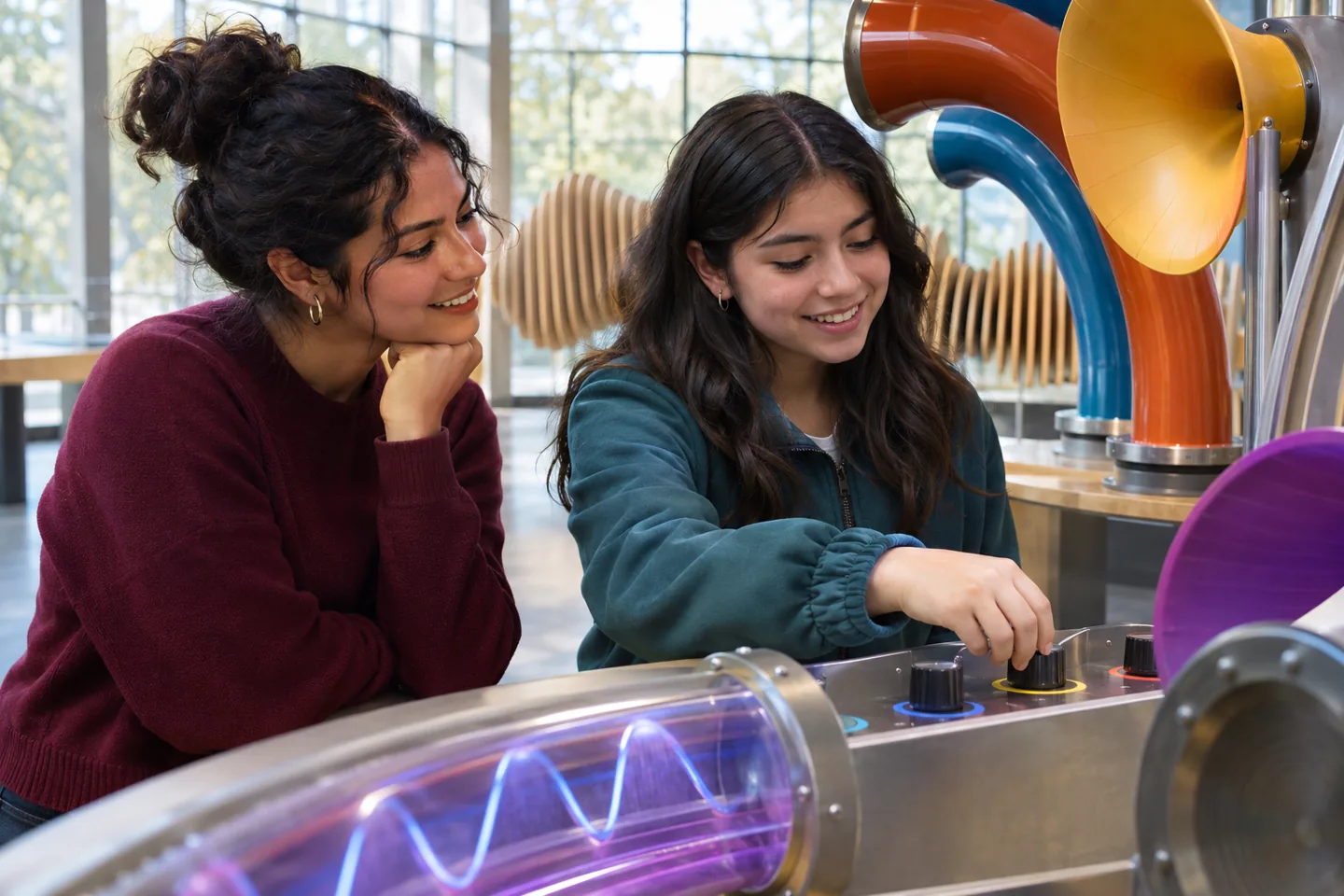
What does first-generation mean?
First-generation often means that a student’s parents did not earn a four-year college degree. The Council for Opportunity in Education explains this definition, including how it applies to students raised by one parent. However, each support program may have its own rules. So check before you apply.
However, one label does not tell a whole story. First-gen students bring many strengths, cultures, and family ties. Some grew up near a campus. Others had never visited one. Let each person name what matters to them.
Why first-gen mentors can make college feel closer
A teen may know college from sports, movies, or a school flyer. But a chat with a student adds a human voice. You can explain what a normal day looks like, from finding a class to joining a club.
For example, tell a teen about the first time you asked a teacher for help. Then explain who helped and what you tried next. That small story leaves room for doubt, growth, and support.
Shared experience can open a door to trust. Still, never assume that a teen’s path matches yours. Our guide to near peer mentoring explores how students can support younger people. The goal is to help teens see more choices and make their own plans.
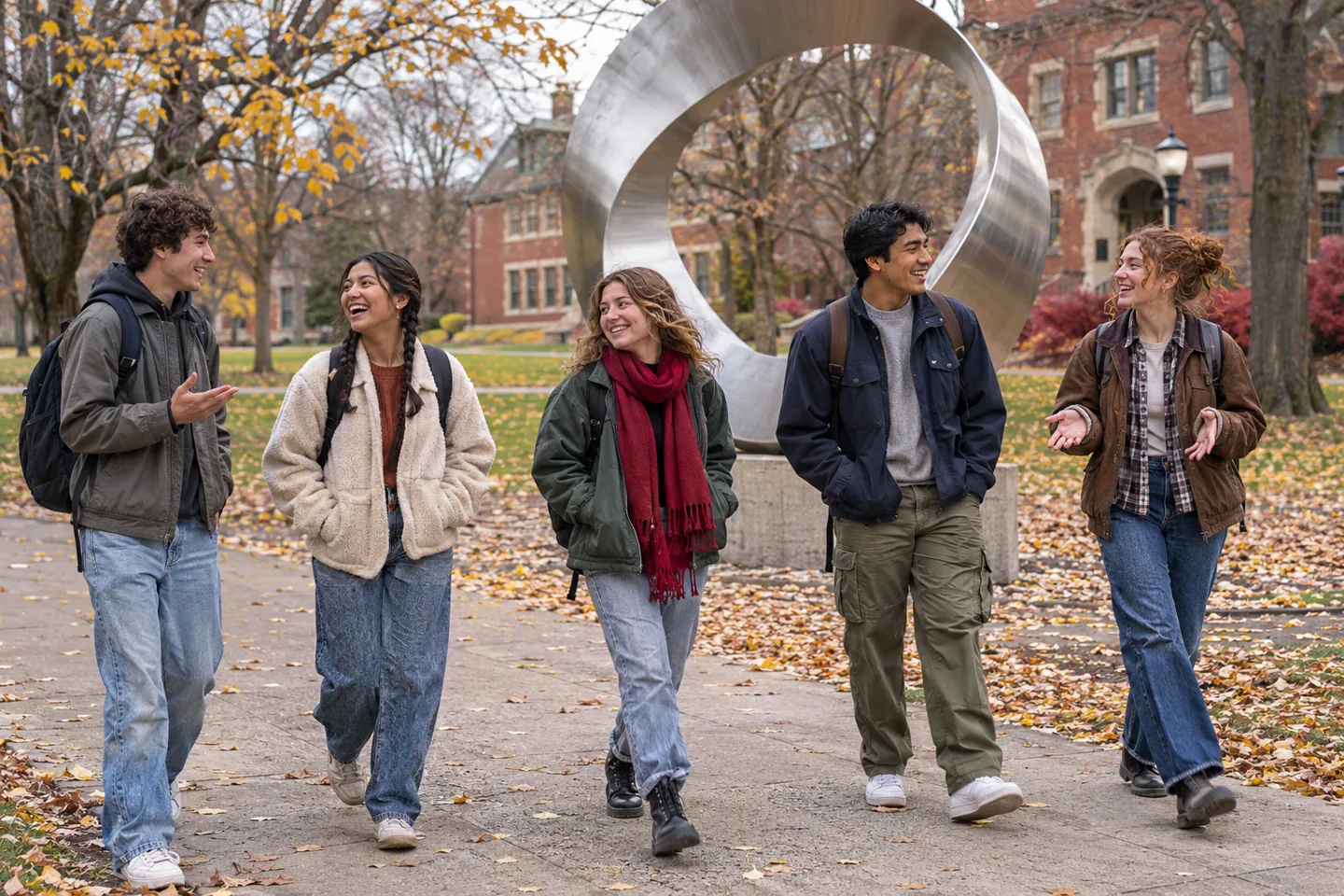
How first-gen mentors can share a small story
First, ask if the teen wants to hear a short college story. Also, keep it brief and choose a moment that feels safe to share. You do not have to discuss money, family stress, or other private details.
Try one of these prompts:
- Something new: “One thing I did not know about college was…”
- A helpful person: “When I had a question, I asked…”
- A next step: “The first small thing I tried was…”
Next, turn the focus back to the teen. Ask, “What would you want to know?” Then leave time for an answer. If they are unsure, our guide to talking to teens who say “I don’t know” offers gentle ways to keep a chat open.
First-gen mentors can help teens practice one question
You can make college feel less distant without planning a big trip. During an approved mentoring session, try this simple activity:
- Choose a topic. Ask the teen what sparks their interest. It might be art, a trade, science, sports, or a club.
- Write one question. For example, “Who can help me learn more about this?” The teen can write, draw, or speak their idea.
- Find a trusted source. Look at a college’s official website together. First at WSU lists campus programs and support that can help start the search.
- Practice asking. Let the teen try their question aloud. Then ask what they want to learn next.
Finally, agree on one small step they choose. A teen may want to ask a school counselor, explore a program, or wait. Above all, respect that pace. College is one path among many worth exploring.

Keep the teen's voice at the center
Good mentoring makes space for a young person’s views. So ask before giving advice, and welcome a different answer. You can be proud of WSU without asking every teen to become a Coug.
Also, be honest when you do not know something. Say, “Let’s find the right person to ask.” You can model help-seeking while you learn, too. First-gen mentors do not need to carry every answer.
Before meeting youth through Cougs 4 Kids, complete the required screening, training, and onboarding. The mentor interest page explains the next steps. Follow the team’s guidance for contact, activities, and any planned visits.
Questions about first-gen mentors
Do I need to have college figured out to mentor?
No. You can share what you have learned while still asking for help yourself. Instead, focus on listening and keeping your promises. Review the Cougs 4 Kids mentor pathway to learn about training and current roles.
Can I mentor a teen whose background differs from mine?
Yes, you can express interest. A shared label is only one way to connect. Ask about the teen’s interests and listen without guessing. Placement depends on program needs and fit; the mentoring team can explain what comes next.
Where can first-generation Cougs find support?
Start with First at WSU’s programs and resources. The page lists campus services, mentoring, and other support. Then check each program’s details to find the right fit for your campus and needs.
When is the First-Generation College Celebration?
It takes place each year on and around November 8. FirstGen Forward shares the celebration’s purpose and resources. You can mark the week by thanking someone who helped you and exploring a way to support younger students.
Bring your story. Make room for theirs.
First-gen mentors can show teens that questions belong in every new chapter. Share one small story, listen with care, and help a young person choose a next step.
Ready to explore mentoring? Visit the Cougs 4 Kids mentor interest page to submit the form or book a short conversation. First, ask about fit, time needs, and training before you begin.
Images are AI-generated illustrations, not photos of program participants.
