

Talking to teens can feel hard when every question gets the same answer: “I don’t know.” Start with a calm pause. Then offer one smaller question, two real choices, or a chance to pass. Above all, your goal is to make room for a reply, not to pull out a personal story.
For new Washington State University student mentors with Cougs 4 Kids, winter is a good time to practice this skill. A teen may be tired, unsure, or still getting to know you. You do not need to fill every quiet moment.
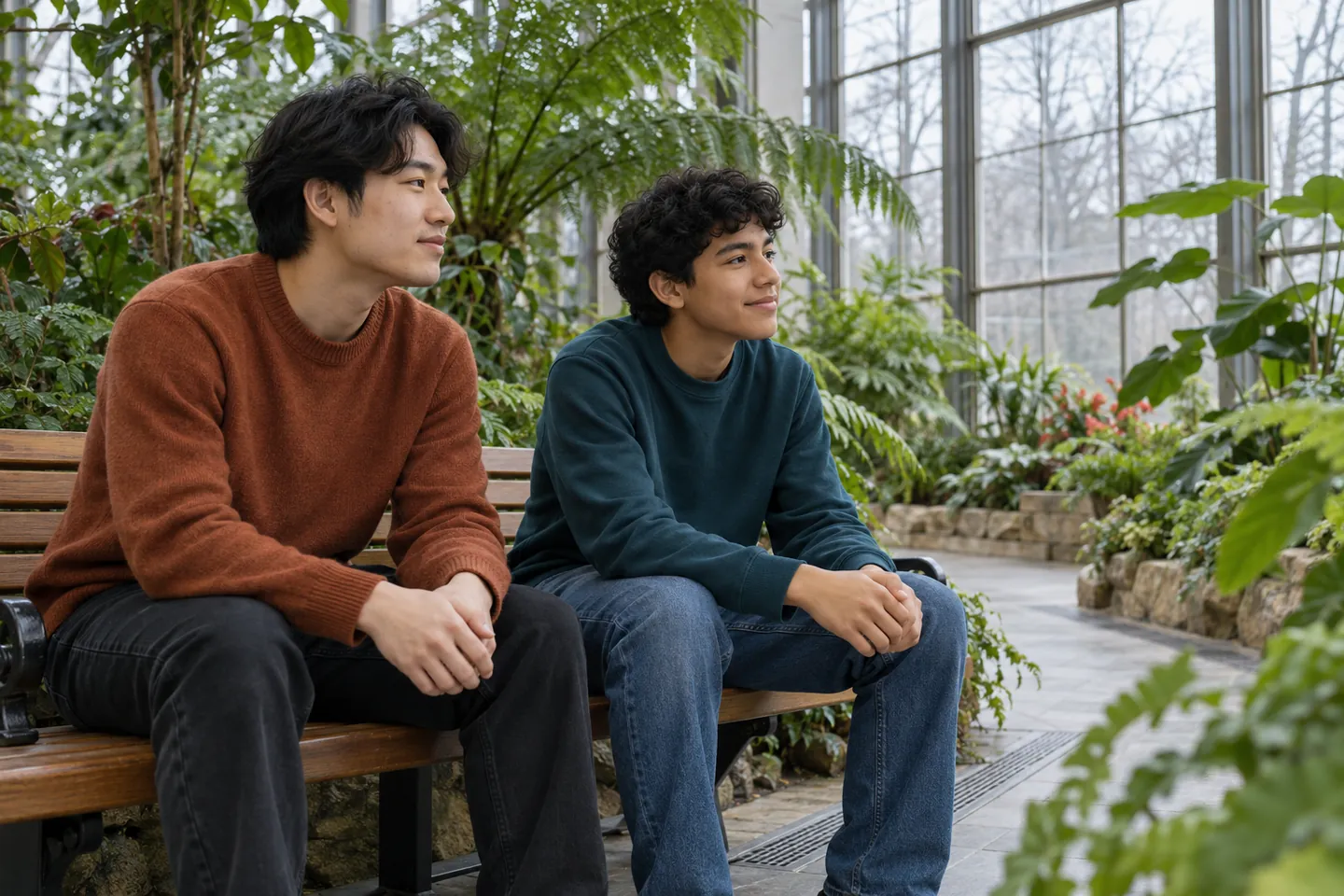
Talking to teens starts with less pressure
First, notice your own pace. Did you ask three questions in a row? Did your question cover a whole week? A smaller starting point may be easier to answer.
“I don’t know” does not tell you why a teen is quiet. Avoid guessing that they are rude, upset, or hiding something. Instead, stay warm and curious. Let them show you what works.
Search Institute’s relationship framework includes listening, being dependable, and giving young people a say. You can practice those habits in a short chat. Put your phone away, pay attention, and accept the answer you get.
1. Ask one small, open question
An open question leaves space for the teen’s own view. However, a broad question can still feel like a lot. Try asking about one part of an activity instead of a whole day.
- Instead of “How is everything?” try “What part of today felt easy?”
- For a big question like “What are all your goals?” try “What would you like to try next time?”
- Instead of “Why are you so quiet?” try “What would make this activity work better for you?”
Then stop and listen. You do not need to ask every question on the list. If you want more starting points, choose one from our mentoring conversation starter kit before you meet.
2. Offer two choices and a way to pass
Sometimes a choice is easier than an open question. Keep both options real. For example, ask, “Would you rather try the puzzle or draw for a bit?” Add, “You can also suggest something else.”
Next, make it clear that passing is okay. You might say, “We can talk about that, pick a new topic, or leave it for now.” A choice should give the teen a say. It should not hide a demand.
Search Institute’s ideas for sharing power encourage offering options and taking youth feedback seriously. Follow through on the choice. If an option is not possible, explain why and find another one together.
3. Let a quiet moment stay quiet
After you ask, give the teen time to think. Keep your face and tone relaxed. Avoid counting aloud, repeating the question, or staring while you wait.
For example, you can say, “Take your time. We can keep working on this.” Then return to your shared activity. A pause does not need a speech.
The Ongoing Training for Mentors guide, hosted by MENTOR, pairs open questions with active listening and comfort with silence. Listening includes leaving space for words that have not arrived yet.

4. Make talking to teens part of a shared activity
A simple activity can give you something to do together. For a winter meeting, try a puzzle, sketching, or a group game in an approved public space. Ask the teen what sounds good first.
For instance, during an approved bowling outing, you could ask, “What would make the next round more fun?” At a puzzle table, try, “Which piece should we start with?” Everyday choices can help a teen take the lead.
Also, check the setting. A loud room may make talking harder. Offer a quieter spot within your program’s meeting rules. Explore our guide to accessible group activities for more planning ideas.
Talking to teens: a sample conversation
Here is a sample exchange. Use words that sound natural to you.
Mentor: “What would you like to do today?”
Teen: “I don’t know.”
Mentor: “That’s okay. Would you rather draw or try this puzzle? We can also take a minute.”
Teen: “The puzzle, I guess.”
Mentor: “Sure. Want to choose the first piece?”
Now let the activity begin. You do not need to turn the teen’s choice into a lesson. If they start talking, listen before adding your own story. A brief reply such as “That sounds like a busy day” can show you heard them.

Notice what helps, then try it again
Finally, after the meeting, think about your own choices. Did you leave time to answer? Were you able to accept a pass? Did you follow the teen’s lead?
Then use what you notice to plan the next visit. For example, if drawing felt comfortable, offer it again. However, let the teen change their mind. One good meeting does not set a rule for every meeting.
If quiet moments keep worrying you, ask your program contact for guidance. Describe what happened without labeling the teen. Share private details only through approved channels.
FAQs about talking to teens
What should I say when a teen says “I don’t know”?
Try, “That’s okay. Would a smaller question help, or should we leave it for now?” Then honor the answer. For more ideas, use our conversation starter kit. Choose one prompt instead of working through a long list.
How long should I wait for an answer?
There is no single time that fits every teen. Leave a natural pause and avoid rushing into another question. If the teen seems ready to move on, offer that choice. MENTOR’s mentor training guide treats comfort with silence as a useful skill.
Does a teen need to make eye contact?
No. Do not use eye contact as a test of respect or interest. Ask what helps the teen take part. They may prefer to look at a shared activity while speaking. Our guide to teen activity choices offers ways to make room for different preferences.
Should I keep asking about a personal problem?
Let the teen choose what to share. Avoid pressing for private details or promising to keep safety concerns secret. If they raise a concern, follow your program’s process and seek support. Review our guide to mentoring boundaries to keep your role clear.
Keep talking to teens at their pace
At your next meeting, try one choice-based question and leave time for an answer. Keep your tone kind, accept a pass, and follow through on the teen’s choice. Small habits like these can make talking to teens feel more natural.
Ready to learn more about getting involved? Explore Cougs 4 Kids volunteer opportunities and take the next step toward becoming a steady, caring mentor.
