

A project budget is a plan for what your team needs and what it can spend. Before buying supplies, list each item, check what you already have, and ask what you can borrow. Then check the total against the limit staff set.
Spring is a good time for teen service teams to turn ideas into small, useful projects. This Cougs 4 Kids guide helps Washington State University (WSU) student mentors support those choices. Teens can lead the talk while an adult chosen by staff handles spending and records.

Start your project budget with a real need
First, ask the community partner what would be useful. However, a low price does not make an unwanted item a good choice. Therefore, agree on one small goal before making a shopping list.
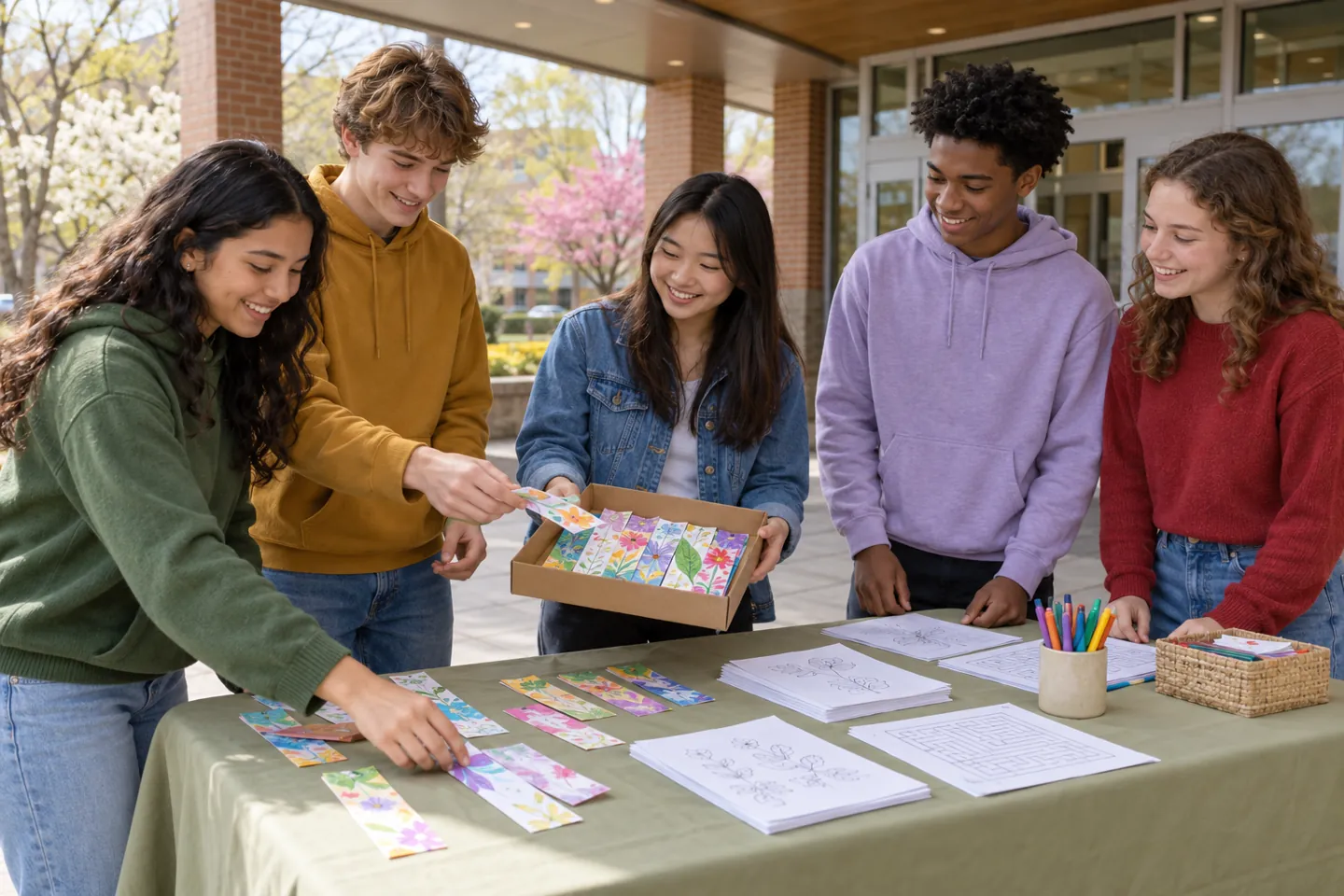
For example, a library might welcome handmade bookmarks for a reading event. Then ask how many it needs, which supplies it accepts, and who will approve the activity. This is a possible project, not a report of an actual event.
The University of Minnesota’s youth service planning guidance emphasizes projects that youth design and lead to meet local needs. Our youth-led project guide can help your team choose a goal together.
Make a three-column supply plan
Next, create three columns: item and amount, source, and planned cost. Under source, write “on hand,” “borrow,” or “buy.” However, check each answer before you rely on it.
- On hand: Count supplies that still work. Ask before using them.
- Borrow: Confirm who owns the item, when it is free, and how to return it.
- Buy: Check how many you need. Ask staff about the price, shipping, and tax.
Youth Service America’s service project planning guide includes quantities, unit costs, totals, and possible sources. For your simple plan, put the count beside each item. Then show the math in the cost column.
Try this sample project budget
Practice example only: A teen team has a made-up $40 spending limit for a bookmark activity. The prices below are invented for learning. They are not store quotes or Cougs 4 Kids spending records.
| Item and amount | Source | Planned cost |
|---|---|---|
| Cardstock, 2 packs | Buy | 2 × $6 = $12 |
| Glue sticks, 3 | Buy | 3 × $2 = $6 |
| Activity sheets, 20 copies | 20 × $0.10 = $2 | |
| Colored pencils, 1 set | On hand, use confirmed | $0 new spending |
| Scissors, 2 pairs | Borrow, use confirmed | $0 new spending |
| Supply subtotal | Planned purchases | $20 |
| Allowance for tax or small cost changes | Hold within the limit | $5 |
| Total planned amount | Purchases plus allowance | $25 |
As a result, that leaves $15 of the $40 limit left over. In other words, there is no need to spend it all. The extra $5 is set aside, not spent. It is not a tax quote.
In this example, staff have already set up the space, travel, and access support. Therefore, your team should list those costs if they apply. Also check real prices before asking staff to approve the plan.
Let teens compare choices
Now ask the team to explain its choices. Would plain paper work as well as card? For example, could you make fewer bookmarks with the same care? Would borrowing save money without creating extra work for someone else?
Give each teen a way to share. For example, teens can speak, write, draw, or pass. Try these three questions:
- Which item helps us meet the goal?
- What could we use instead?
- What would change if we had less money?
However, do not cut needed access or safety support to keep extras. Use our activity access checklist before you choose what to leave out. A simpler project may be the better choice.
Check the project budget before anyone pays
Ask staff to confirm the spending limit. Also find out who may approve each item. Then agree on how to keep receipts. However, do not ask teens to use personal money or assume a mentor will pay them back.
Also list hoped-for gifts apart from supplies you have. “We may get free paper” is not the same as having it. Also, staff should approve any request to a business or supporter before someone makes it.
Before checkout, compare the full cost with the plan. If it is too high, pause first. Reduce the quantity, choose an approved substitute, or ask staff to review a new plan. Instead, get approval before you buy.
Track what changed and what you learned
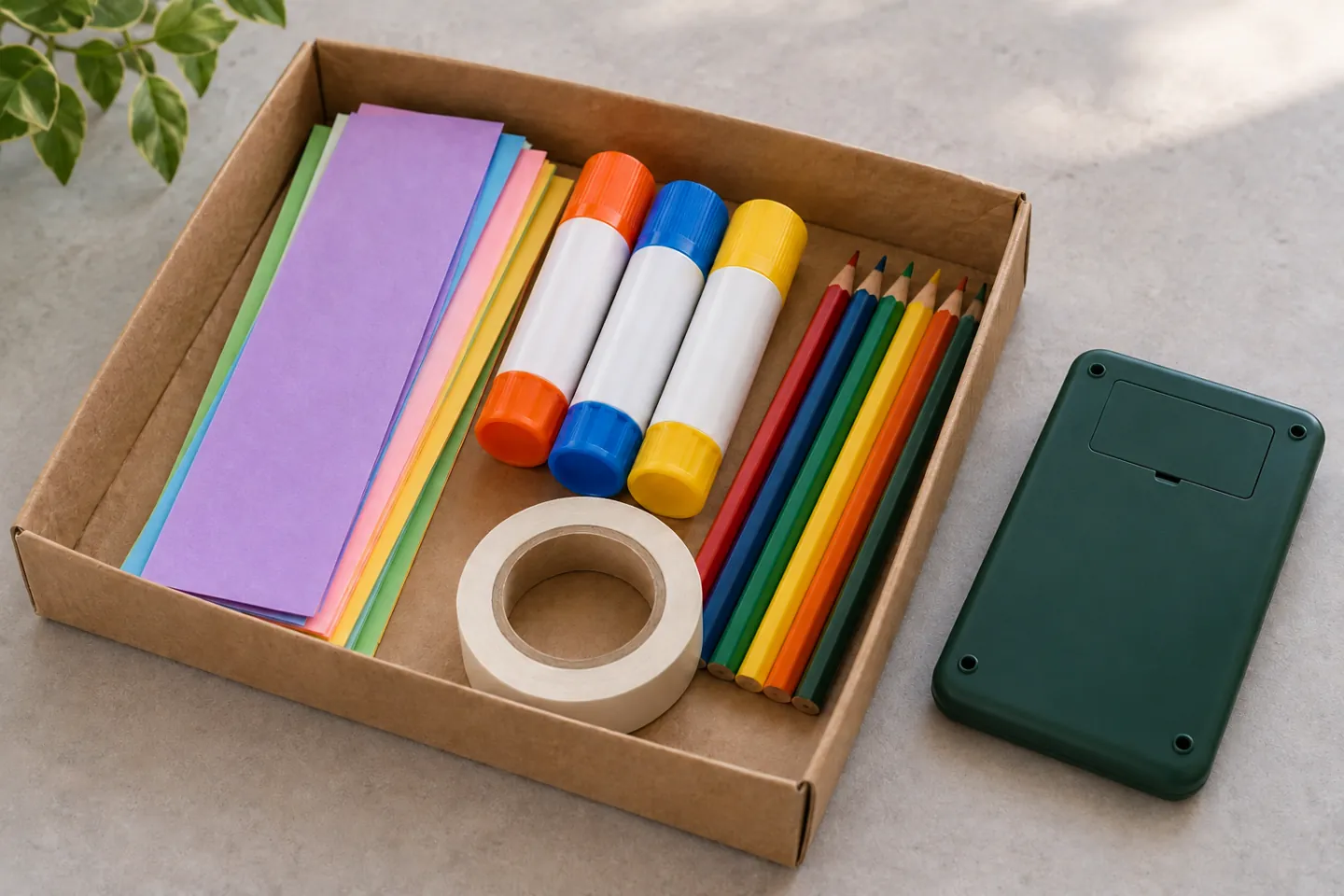
After you buy an approved item, write what it cost beside the planned price. Then give receipts to the staff contact. Keep card and bank details out of shared youth notes.
Next, check borrowed items back in. Also list what is left and ask staff where to store it. Unused money stays under the program’s rules; it is not a reward to divide among the team.
Finally, ask what worked, what cost more than expected, and what you would change. Youth Service America’s learning resources include ways to look back after taking action. Our teen reflection guide offers simple ways to name effort and learning.
Frequently asked questions
Can a project budget include borrowed supplies?
Yes. List them so the team knows what it needs and who will return them. Also show any fee separately. Even with no fee, ask the owner and check the dates. The Youth Service America planning guide encourages teams to identify available resources.
What if the team has no approved money to spend?
Choose a smaller idea that uses confirmed resources, or wait for staff approval. Instead, avoid asking teens to pay. First, start with the community partner’s needs and explore options in our youth-led service guide. A useful project does not need a large shopping list.
Should teens handle the whole budget alone?
No. Teens can weigh options, explain choices, and help track costs. Meanwhile, an approved adult should oversee spending and records under program rules. The University of Minnesota’s service planning resources support volunteers and youth leaders working on projects together.
Choose one clear next step
Bring your three-column plan to the next group session. Check counts, confirm sources, and agree on what still needs staff approval. A small project budget gives teens room to make choices they can explain.
Want to support youth-led service? Explore ways to get involved with Cougs 4 Kids and ask about current opportunities.
Images are AI-generated illustrations and do not show actual program participants or events.
