

A neighborhood walk can help teens notice the places, services, and shared spaces that support daily life. Choose a short, approved route. Then look for local strengths, write down questions, and compare notes. Before choosing a service project, ask community members what matters to them.
As spring begins, Washington State University (WSU) student mentors can help teens look closely at familiar places. This Cougs 4 Kids listening walk is about learning with care. It is not a tour to judge a neighborhood or a reason to record strangers.
Start your neighborhood walk with strengths
A community asset is something that helps local life. It might be a library, a market, a shared tool station, or a place where neighbors meet. People also bring skills, knowledge, and relationships.
The University of Kansas Community Tool Box explains community assets in this broad way. However, you cannot learn everything about a place just by looking. Many strengths are not visible from the sidewalk.
First, ask teens what they already value nearby. Then choose a question together, such as “Where can people learn, connect, or share?” This gives the outing a clear goal. Leave room to learn as you go.
Plan an accessible neighborhood walk
Before setting out, have program staff approve the route, schedule, consent, and staff support. Also confirm transport, crossings, rest stops, and the weather plan. Use our teen outing access checklist to guide that conversation.
Keep the route short enough for the group. A few nearby public places may be enough. Share the plan in advance, including how to ask for help or take a break.
Meanwhile, offer an indoor option with equal value. Teens can use a public map, local service websites, and their own knowledge. Then they can list questions for later. Do not ask anyone to explain a private health need to join this option.
Use three prompts on your neighborhood walk
Teens can write or sketch. They can also share ideas later. Then try these three prompts:
- Shared spaces: Where can people gather, rest, play, or learn?
- Helpful resources: What services, tools, or facts can people find?
- Connections: What might help neighbors share skills or support one another?
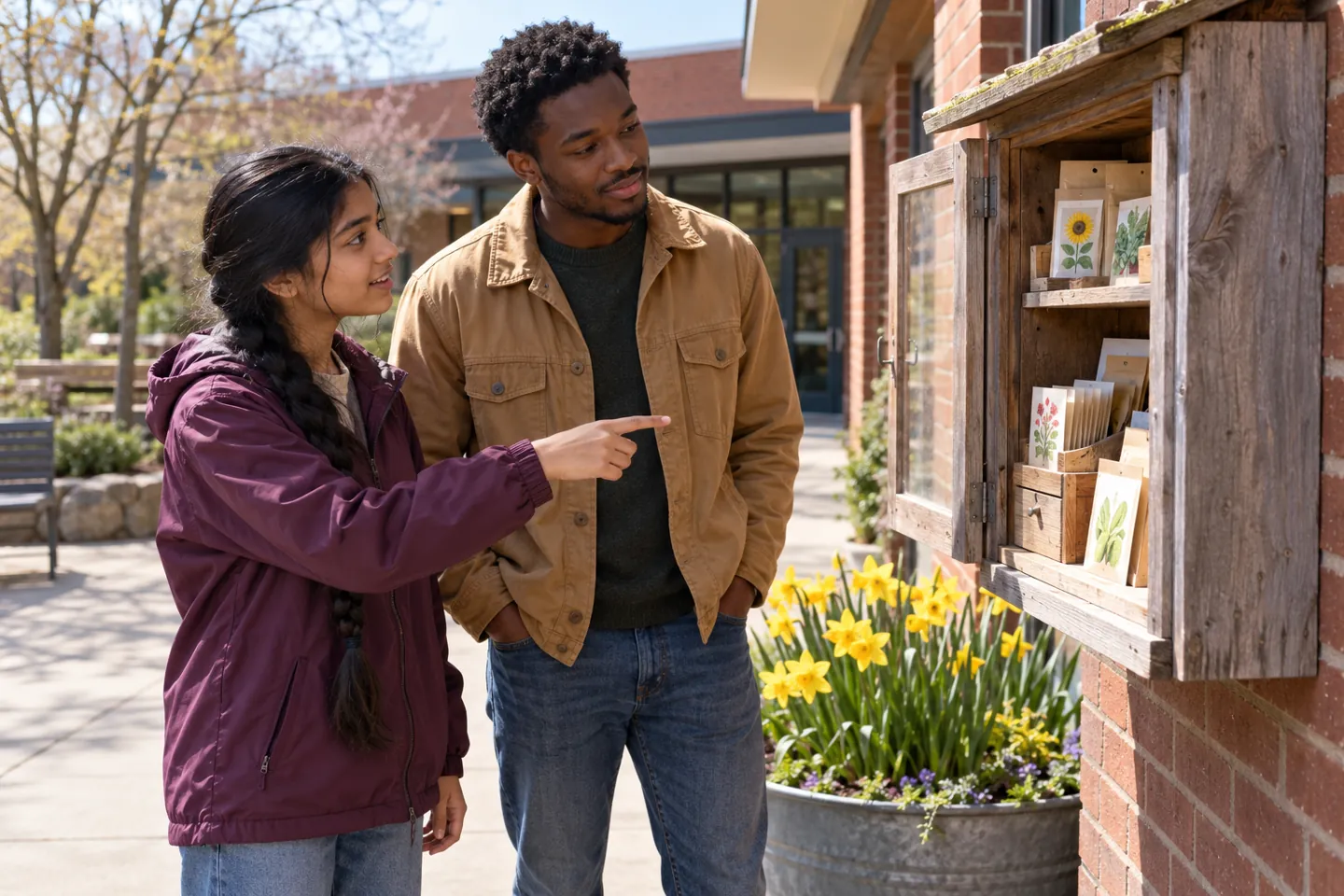
For example, a seed-sharing shelf could raise questions about who tends it. A produce market could prompt questions about its hours. Also notice simple features, such as seating near a public entrance.
Stay on the approved route and leave paths clear. The Community Tool Box’s walking survey guide suggests planning questions and taking notes as you observe.

Separate what you see from what you assume
Next, make two headings on a sheet: “I noticed” and “I wonder.” Put facts under the first heading and questions under the second. Here are examples you can adapt:
- I noticed: A bench stands beside the library. I wonder: When do neighbors use this space?
- I noticed: A market lists weekend hours. I wonder: How do people hear about those hours?
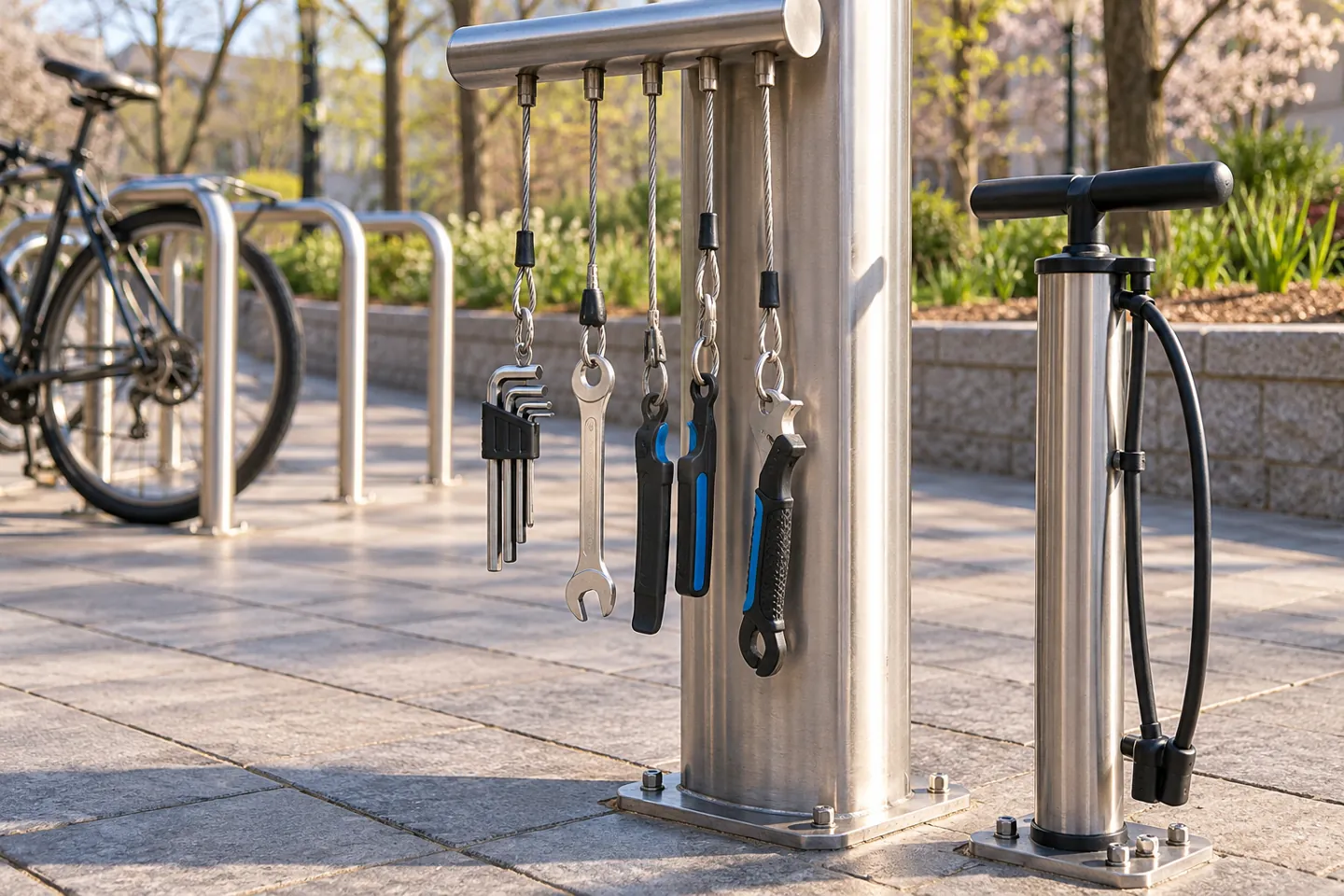
- I noticed: A bike pump sits near a rack. I wonder: Who checks and maintains it?
However, do not label a place unsafe, unused, or unwelcoming from one visit. A quiet space may be busy at another time. Also avoid guessing people’s income, background, or needs from appearance.
Protect privacy while you learn
Keep notes about public resources, not private homes or personal details. Leave faces, names, and license plates out of shared maps. Keep home addresses private, too. Also avoid recording conversations.
If you want photos, check staff rules and consent first. Our photo consent checklist explains why taking and sharing an image need separate checks. Sketches or brief notes may work just as well.
Later, staff can help set up a talk with a willing local partner. Ask, “What works well here?” Then ask what the group may have missed. Never promise a project or donation on someone else’s behalf.
Turn neighborhood walk notes into one next step
Afterward, let each teen share a strength and a question. Then group similar ideas. Invite quieter members to add written or drawn notes, too.
Penn State Extension’s community goal-setting guide connects local strengths and needs with goals residents help choose. Therefore, check your ideas with people who use or care for the place.
For example, teens might ask a seed-shelf organizer whether help sorting packets would be useful. The answer may be no, or a different need may come up. Listen first. Then use our youth-led project guide to plan a small, approved action.
Frequently asked questions
Is this the same as community asset mapping?
It can be a first step. Community asset mapping brings local strengths together in a list or map. However, a short walk gives only part of the picture. The Community Tool Box asset guide explains why residents’ knowledge matters.
Can teens take part without going outdoors?
Yes. Use the indoor map option and invite teens to share places they know. Then let everyone help choose the next questions. Our guide to activity choices offers more ways to include different needs and ways to share ideas.
What if the group notices a problem?
Write a clear note about what you saw. Tell the staff lead right away if you are worried. Do not look into private matters. Instead, ask what more you need to learn. The walking survey guide treats observations as a first step toward learning more.
Begin with curiosity
Finally, choose one local strength to learn more about. A useful first step may be a question rather than a project. Give teens room to notice, listen, and help shape what comes next.
Want to support young people through Cougs 4 Kids? Explore ways to get involved and ask about current opportunities.
Images are AI-generated illustrations and do not show actual program participants or real local sites.
