

A Black history project can begin with one place and one good question. To make a local story map, let teens choose a place, check reliable sources, and add a short story beside a map pin. Include a source link so others can follow the evidence.
This Cougs 4 Kids guide is for teen leadership groups and Washington State University (WSU) student mentors. Use it to plan for Black History Month in February or to learn all year. You can start indoors with paper, pencils, and library resources.
Start your Black history project with teen choice
First, ask what teens want to learn about their town or neighborhood. Their questions might focus on music, art, schools, local shops, or people who worked for fair treatment. Start with one theme and up to three places.
Then let the group decide how to work. One person may enjoy finding sources. Another may prefer drawing, reading aloud, or checking dates. Offer a quiet role and a way to pass.
Do not ask a Black teen to speak for all Black people or share a family story. Every young person should be free to choose what they contribute. Our guide to youth-led projects offers more ways to keep teens in charge.
Find a place with a story you can verify
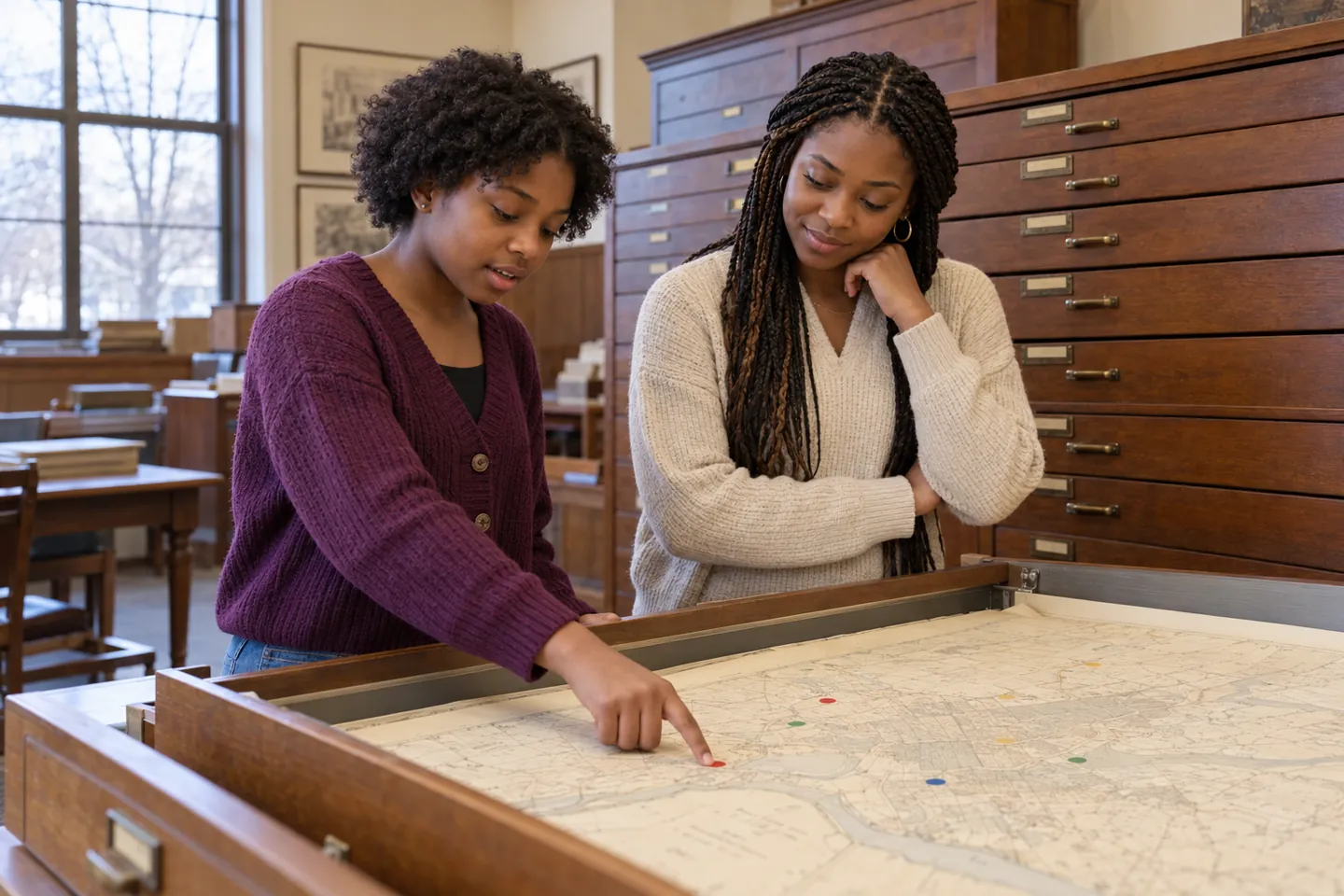
Next, look for a library, museum, archive, or local history group with sources you can read. An archive is a collection of records, such as letters, photos, and newspapers. Ask a librarian for help if the first search leads nowhere.
For a Washington starting point, explore the University of Washington’s Seattle civil rights history collection. It includes interviews, photos, maps, and research on Black community life and activism.
A place does not have to be a famous landmark. However, a search result alone is not enough to support a claim. Open the source and check what it actually says.
If you cannot confirm a story, keep it on a question list. An empty map pin is better than a made-up fact.
A Seattle example: a quilt that holds local stories
The Seattle Public Library describes Home of Good: A Black Seattle Storyquilt at its Douglass-Truth Branch. Artist Storme Webber’s statement connects the work to a beloved barbecue restaurant and places of Black community life. The library says the quilt was donated to the branch’s African American Collection in June 2024.
This gives teens a research lead, not a complete history. They could ask how art helps people remember a place. They could also study whose memories the artist chose to include.
Use the library’s account to credit the work. Do not invent a visit, interview, or quote to make the map feel more personal.
Check each source before adding a map pin
A primary source comes from the time or person you are studying, such as a letter or recorded memory. It can offer useful clues, but it may tell only part of the story.
The Library of Congress analysis tool helps learners observe, reflect, and ask questions. For your map, try three short notes:
- I can see: Record a detail the source shows.
- I think: Label your idea as an idea, not a fact.
- I still need to know: Write a question to check.
Then record who made the source and when. Compare key names and dates with another reliable source when you can. If accounts differ, explain the difference or leave the claim out until you learn more.
Build a simple map for your Black history project
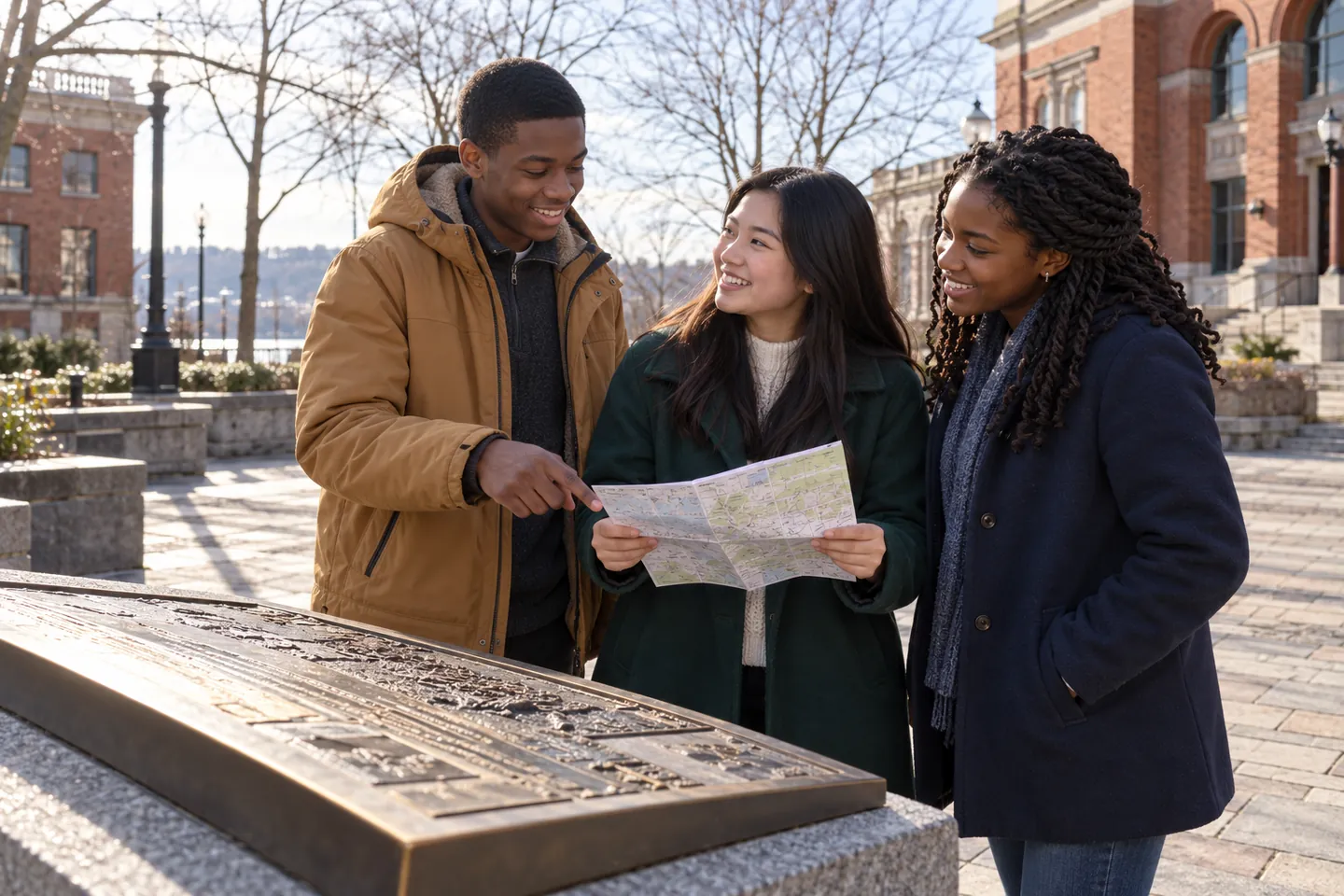
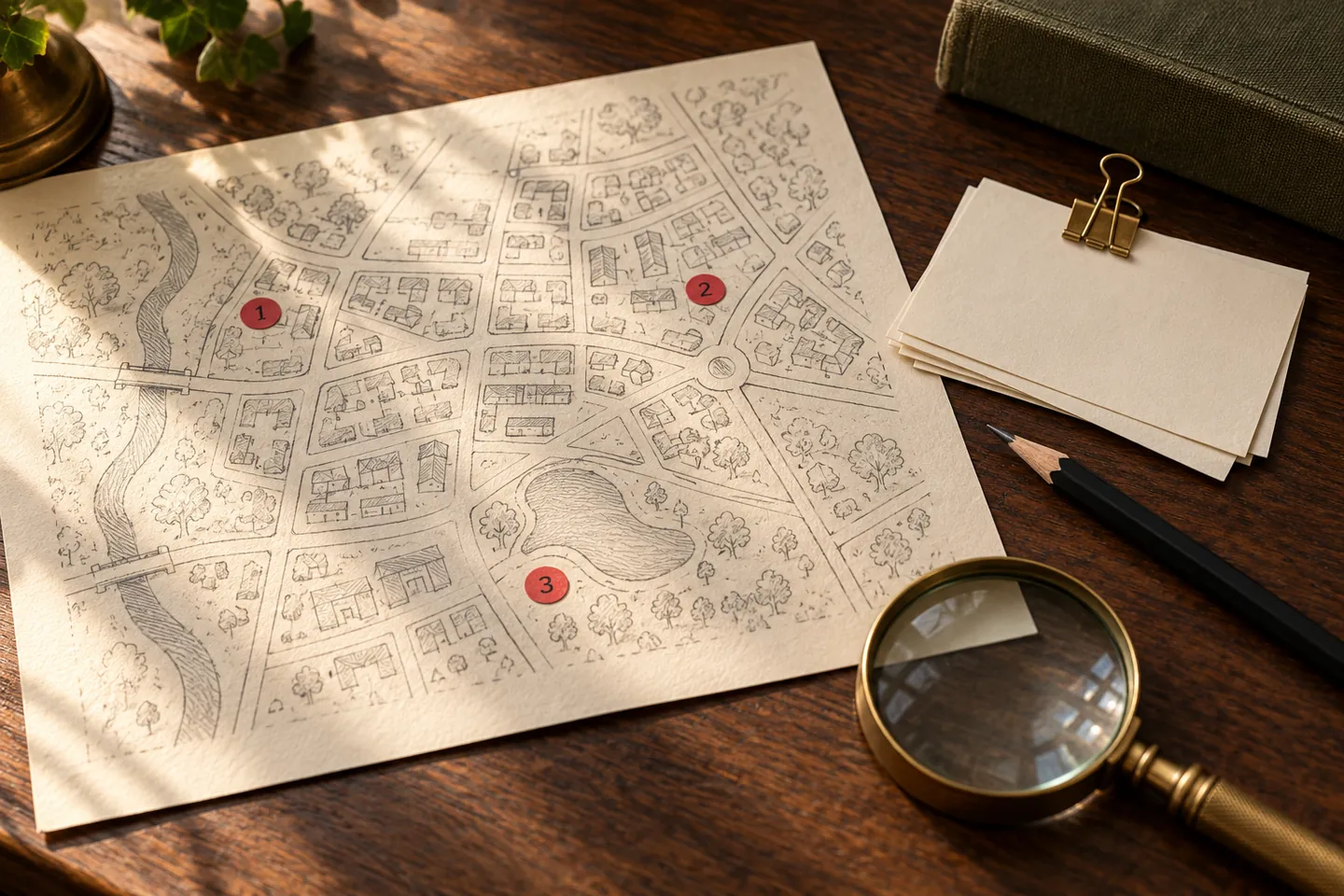
You do not need special software. Draw a rough map on large paper, or use a simple slide with numbered places. Label a hand-drawn map as a sketch so readers do not mistake it for travel directions.
Next, make one short story card for each place. Include:
- The place name and its public location.
- The person, group, or event linked to it.
- Two or three sentences supported by your sources.
- A date or time period, if the source confirms it.
- The source title, author or organization, and link.
- One question you still want to explore.
Match each card to a numbered dot. Use large, clear text and spell out what each marker means. Also provide the stories as a plain list for anyone who finds the map hard to use.
Keep private homes, youth contact details, and personal routines off a shared map. Choose public places or a broad area when a precise location is not needed.
Ask before adding someone's memories
An interview is optional. Published sources may be enough for a first map. If teens want to speak with someone, ask the program leader to help arrange contact through approved channels.
The Oral History Association’s guidance calls for clear agreement about the project, recording, and future use. Explain who will see the map before the person agrees. Ask before taking notes, making a recording, or sharing their words.
Then offer a chance to check the part of the map that uses their story before it goes public. Respect limits on topics and sharing. A person can decline, and their choice should not affect how the group treats them.
For images of people, use our photo consent checklist alongside your program’s rules.
Review the Black history project before sharing
Before sharing, have a second reader check names, dates, and source links. Ask whether each sentence is a fact, a memory, or the group’s own view. Make those differences clear.
Also check each photo’s source and allowed uses. A link or credit does not replace permission when permission is needed. You can link to the original item instead of copying it.
Black history includes joy, work, art, family, and change, as well as injustice. Avoid reducing a whole community to one painful event. Be honest about what your small map covers and what it leaves out.
Finally, let teens choose whether to share with their group or a wider audience. Add a way to send corrections. Our youth feedback guide can help you review the process together.
Frequently asked questions
Can we do this Black history project without a trip?
Yes. Use library websites, museum collections, and published interviews from an indoor space. The Seattle civil rights collection offers several types of sources. If you later plan a visit, use our group outing checklist to consider access and logistics.
How many places should our story map include?
Start with one to three places. That is a practical starting size, not a rule. Give each story enough time for research and review. Use the Library of Congress source guide when a photo or record raises more questions.
What if we cannot find much local Black history?
Ask a librarian or local history group where to look next. You can widen the map to a nearby city or the wider region. Do not treat a short online search as proof that a community has no Black history. Keep the gaps visible and choose a clear next question.
Let one question lead to the next story
A thoughtful Black history project does not need a huge map. It needs care, clear sources, and room for young people to lead. Start small, credit the people whose work you use, and keep learning after February ends.
Want to help young people explore their community? Explore Cougs 4 Kids volunteer opportunities and ask about current ways to get involved.
Images are AI-generated illustrations. They do not show actual program participants, historical records, or a specific heritage site.
