

Indoor mentoring activities can make a cold winter day feel welcoming. Try a shared puzzle, a small paper design, a made-up story, or quiet time to draw. Start with two choices, let the teen pick, and use supplies you already have.
January is National Mentoring Month. For Cougs 4 Kids student mentors and youth program partners, it is a good time to plan simple ways to connect. You do not need a big outing or a full bag of new supplies.

Let teens choose their mentoring activities
Before you set up, ask, “Would you rather make something or solve something?” Then offer two clear options. Also, leave room for a teen to suggest a third choice or take a pause.
Search Institute’s guide to sharing power encourages adults to include young people in choices that affect them. In practice, that can mean letting a teen choose the task, set the pace, or decide when to switch.
For example, a teen may want to build but not talk much. You can work nearby and follow their lead. If choosing feels hard, our guide to low-pressure conversations offers ways to give them more room.
Check the space before the session
First, confirm the location with your program contact. A school activity room, library, or community center may work if your program approves it. Check hours, room rules, access, cost, and any booking needs before you make a plan.
Next, ask what would help the teen feel at ease. Think about noise, bright lights, seating, and space to move. Keep paths clear. Offer larger pieces or a way to point instead of write. Our accessible activity guide has more planning questions.
Also, follow your program’s supervision and travel rules. If snow or ice changes the plan, use approved contact channels. A public space does not replace program approval.
Four indoor mentoring activities to try
Pick one of these ideas to start. The times are sample ranges, so adjust them together. Each choice can work without buying a kit. Borrow shared supplies only with permission.
1. Solve a puzzle side by side
Time: 10 to 15 minutes. Supplies: A borrowed puzzle, printed maze, or set of large shape pieces.
Choose a small shared goal, such as finding corner pieces or filling one shape. Then ask, “Which part would you like to try?” Take turns suggesting ideas rather than taking over.
If the task gets dull, change it together. You could sort by color, build a new pattern, or stop early. For free printable options, explore the Issaquah School District mentoring activity collection. Choose a level that fits the teen’s interests.
2. Try a tiny paper design
Time: 15 to 20 minutes. Supplies: Scrap paper, two books, and a few coins.
Make a small paper bridge between the books. First, test a flat sheet. Next, fold the paper and try again with the same gap and weights. Ask the teen what they want to change.
The Science Buddies paper bridge activity explains how to test different shapes. Treat each attempt as a clue. You can say, “That fold held more. What should we try next?” A teen who prefers not to fold can sketch, direct, or track the results.

3. Make up a short story
Time: 10 to 15 minutes. Supplies: Paper and pencils, or just your voices.
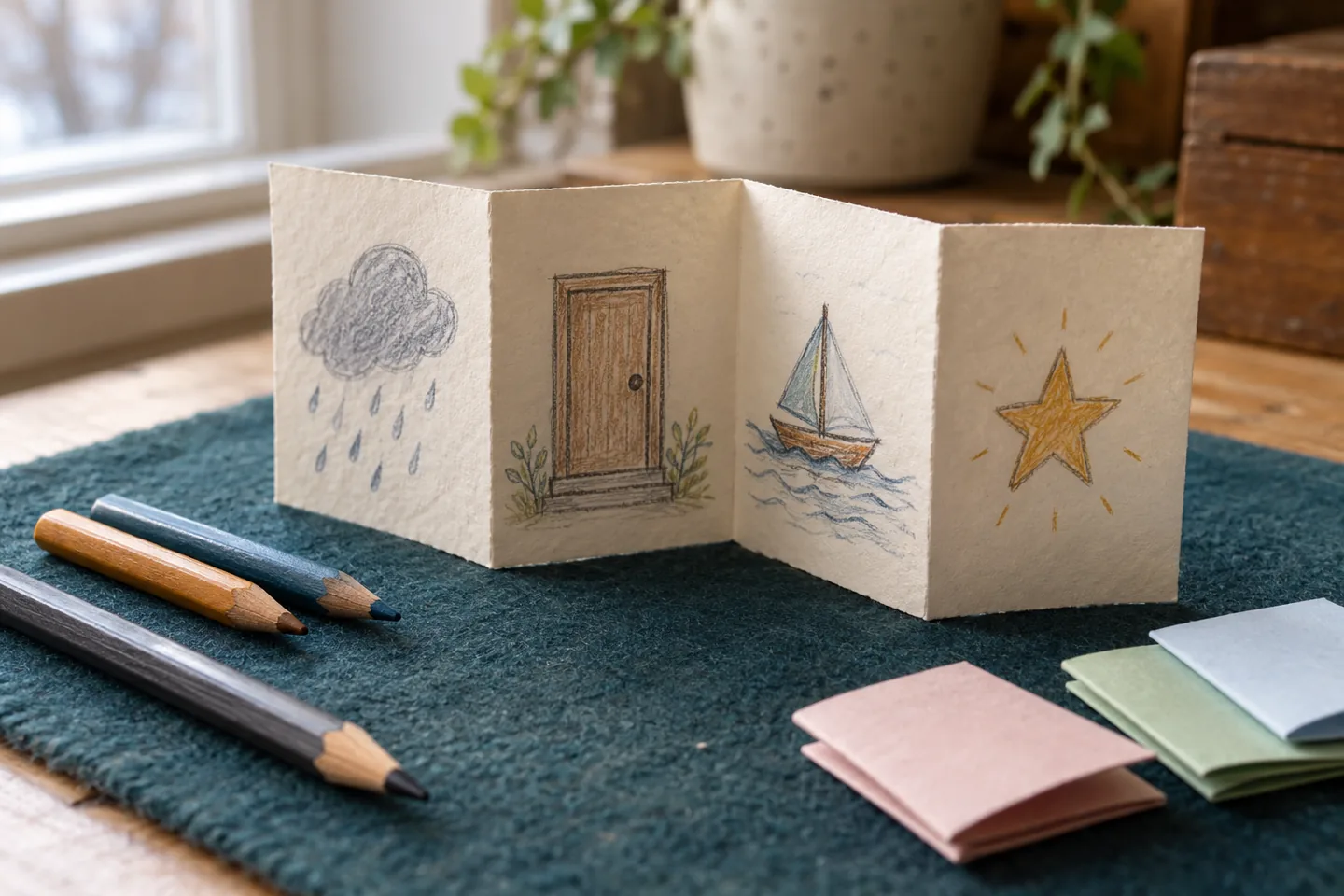
Offer a prompt: “A tiny door appears in a library. What is behind it?” Take turns adding one line. Or fold paper into panels and draw a short comic together.
Keep the story made up. No one needs to share a private memory or explain a drawing. Also, ask before adding to another person’s page. A teen can tell, draw, type, or pass. Let them choose whether to keep the finished story.
4. Choose a quiet activity
Time: 10 minutes, with room to adjust. Supplies: Blank paper, pencils, or books the teen chooses.
Try sketching, reading nearby, or looking at pictures in a book. You can also notice shapes or colors in an approved public exhibit. Check fees first if you plan a museum visit.
Quiet time can be part of the session. However, do not assume silence means a teen is upset or bored. Ask once whether they want company, help, or a different choice. Our guide to more ways to join in shares options for different needs and interests.
Keep mentoring activities within a small budget
Start with what the program already has. Clean scrap paper, pencils, library books, and shared puzzles can offer plenty of choice. Avoid asking a teen to buy supplies or bring a device.
Then make a short list of what you can borrow. Ask before using a room’s games or art tools. If an idea has a fee, check the full cost and get approval before booking it.
The National Recreation and Park Association’s winter mentoring guide suggests involving young people in activity choices. A small budget still leaves space for a teen’s ideas.
A simple 30-minute winter plan
- First five minutes: Say hello, check comfort, and offer two choices.
- Next 20 minutes: Try one activity. Pause or switch if needed.
- Last five minutes: Clean up together and choose a possible next step.
Before leaving, ask, “What should we keep or change next time?” Name one thing you noticed, such as a new idea or a kind turn. Then confirm the next session through your program’s usual process. Our youth feedback questions can help you listen without turning the close into a quiz.
FAQs about indoor mentoring activities
What if a teen dislikes all the choices?
Ask what they would prefer and check whether it fits the space and program rules. You can also offer a short pause. Search Institute’s sharing power tips can help you respond to feedback. Explain any limits and look for another choice together.
Can we meet at any library or community center?
No. Confirm the location, supervision, room rules, and travel plan with your program contact first. Also, check the venue’s current hours and access. Use our activity access checklist to prepare. This guide does not promise that a local room is open or free.
Do mentoring activities need a lesson or score?
No. You can share a task and enjoy time together without a test. A teen might try a new idea, ask for help, or simply choose what to do. For more low-cost options, browse the VOICE mentoring activity ideas and adapt them together.
What if winter weather cancels our session?
Follow the program’s weather plan and tell your program contact. Do not change to a private home or personal video call on your own. Instead, ask about approved options. Our guide to reconnecting after a missed session can help you plan a calm return.
Start with one welcoming choice
Good mentoring activities begin with a simple offer: “What would you like to try?” Bring a few free supplies, respect the answer, and leave room to change the plan. Small moments can give teens a say in time you share.
Want to support young people in your community? Explore Cougs 4 Kids volunteer opportunities to learn how to get involved.
